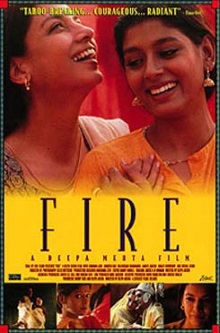
I wanted to watch this as I believe it’s a very important film in the history of Indian cinema though it seems to have been overlooked internationally. It was far ahead of its time when it was released and generated a huge amount of controversy, being not only about a homosexual relationship but attacking as it does fundamental aspects of Indian society. It’s also notable that its writer and director Deepa Mehta is a woman.
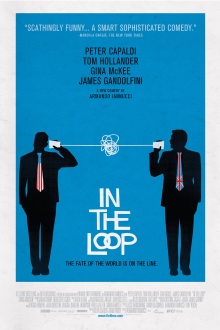
This one was a recommendation from Broken Forum and its director Armando Iannucci has been in the news lately due to his newest film The Death of Stalin. Unfortunately I couldn’t find a copy of it so it’s still sitting on my watch list. I’ve never watched anything else by him but it looks to me that he has made a career out of satirizing politics and this film was a spin-off from a successful British television series.
Given how lukewarm my own reception was towards The Force Awakens, I decided to base my decision about whether to watch the sequel on its reviews and word-of-mouth. Its high Rotten Tomatoes was a point in its favor but the rabid backlash from the fanbase only made it even more intriguing to me. The audience reaction was so harsh that it made me really curious to see it what’s up with it for myself.
This is another pick from my cinephile friend who definitely has a better eye than me on what is happening in Asian cinema. This one seems to have been a big success in the Chinese market and won some local awards but is probably not notable enough internationally to come to my attention. It feels very hip and contemporary to me being adapted from a written work that was originally published in Chinese magazines.
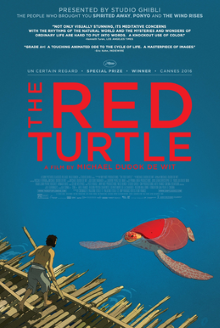
This film ticks all the right boxes for being added to my list: it premiered at the Cannes Film Festival, it was nominated for the Academy Awards, and most intriguingly, it is a cooperative effort by a German company and Studio Ghibli. It was directed by Michaël Dudok de Wit, a Dutch animator, and its artistic sensibilities are distinctly European but I like to think that the Japanese provided their characteristic technical precision.
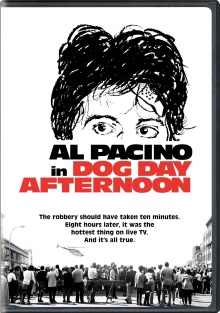
I added this one to our list soon after watching Network because it is another film by Sidney Lumet that was deemed significant enough to be added to the U.S. National Film Registry. It stars a very young Al Pacino, just after he had become famous due to The Godfather and is loosely based on a real bank robbery that took place in 1972.
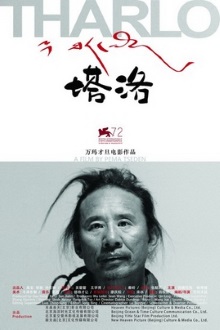
I do believe that this is the first bona fide Tibetan film I’ve ever watched. It was directed by Pema Tseden, a Tibetan with Chinese citizenship, is based on one of his novels and naturally uses their language. Wikipedia claims that this may indeed be the very first Tibetan black and white feature film but this seems unlikely to me.