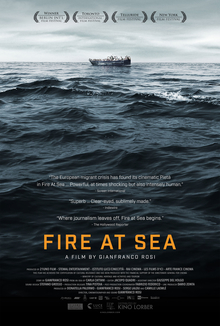
This is billed as a documentary but it’s debatable whether it’s more of a film than a documentary. Its original Italian title makes more sense, Fuocoammare, in reference to a song that a woman requests on the radio in honor of the men who work as fishermen in the family. Apparently the Italian Prime Minister liked it so much that he gifted a DVD of it to each of the EU’s heads of state.
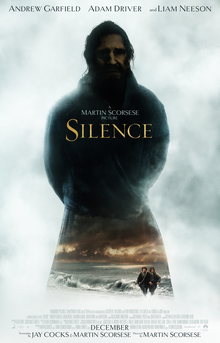
Any film made by Martin Scorsese is guaranteed to be among the year’s most notable works due to the director’s reputation alone. It duly went straight to the top of many critics’ lists though it met only middling success on the awards circuit. I thought it was intriguing, about the travails of Christians in 17th century Japan and so put it onto my own list.
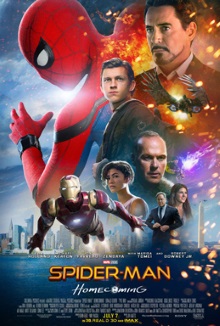
Almost all of the films that we actually watch in the cinema are superhero action movies, a fact that I find to be both somewhat embarrassing and depressing. I wasn’t particularly enthusiastic about this one either after so many superhero movie cinema outings so far this year and the fact that we’ve seen so many different iterations of the character already. This is why I’m far more enthusiastic about characters that have never been made into a movie before. In the end however the excellent reviews and great word of mouth on Broken Forum drew me to the cinema anyway.
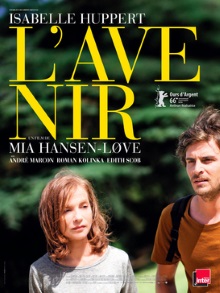
Both this and Ellewhich I wrote about a few months back were released last year and star Isabelle Huppert. She may not be that well known outside of France but she is the most nominated actress for the César Award, France’s equivalent of the Oscars. Indeed she was nominated for multiple awards for both of these films. Of course the two films were made by different directors, the one here being Mia Hansen-Løve, and she plays very different characters in them.
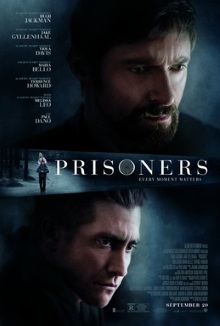
After the near perfection of Arrival, I find it easy to forgive director Denis Villeneuve for how impenetrable Enemy was or how contrived Incendies was. Whether you like them or not however, you can’t deny that each of his films has been very unique and interesting in different ways. As my wife, his work so far defies being typed into any one genre and he looks to be continuing with this trend with the upcoming Blade Runner 2049.
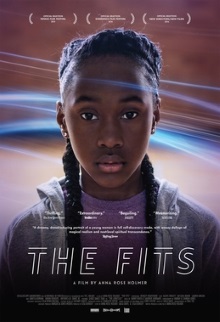
I had no idea what this film was about. That it was included in critics’ lists of notable works and that it has a Rotten Tomatoes rating of nearly 100% are enough to make it worth watching for me. I knew that it was surprisingly short, at a little over an hour in running time, and is the feature film debut of an unknown director, Anna Rose Holmer, with unknown amateur performers.
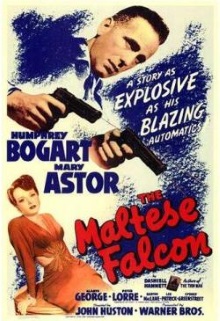
The Maltese Falcon is another one of those films that everyone is expected to have watched. I don’t mean just film critics and film history buffs either but everyone considering how famous it is and how Sam Spade is nearly the American equivalent of Sherlock Holmes. For my part, I remember it being aired quite frequently on Malaysian television when I was young but I’ve never actually sat down to watch it.