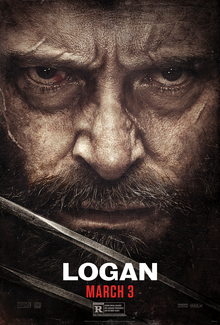
I don’t have much love for Fox Studios’ stewardship of the X-Men intellectual property and skipped out on their last film. I was prepared to give this one a miss as well but a 92% rating on Rotten Tomatoes and rave comments on Broken Forum made it impossible to ignore. In the end I found this to be a decent action movie but I would consider it to be more of a missed opportunity than anything else.
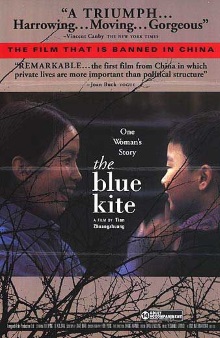
This one was once again an entry selected by my wife by a director belonging to China’s Fifth Generation of filmmakers, Tian Zhuangzhuang. This is the first time I’ve watched one of his films and he seems less internationally known than his peers but The Blue Kite seems to be a highly regarded film and predictably was banned in China following its release due to its critique of the policies of Mao Zedong.
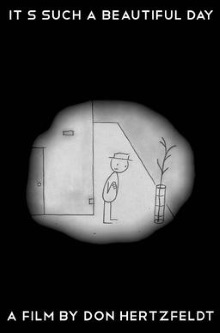
After two beefy films, I thought I’d end the week with lighter fare. This one is apparently a collection of three short films that were originally made and released independently but it’s clear that they were meant to be seen together. What’s remarkable is that they were mostly made by one single person, Don Hertzfeldt, who seems to have written, drawn and voice acted almost everything by himself.
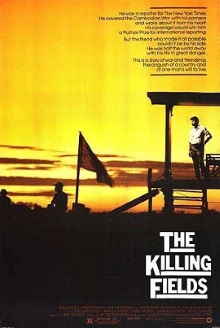
As my wife and I are travelling to Cambodia on holiday later this month, she insisted on watching this one as soon as possible, upsetting my carefully thought out schedules and lists. This is a film that made waves when it was released and I remember it being shown often on television when I was a child but I’ve never sat down and watched it properly. Perhaps the Malaysian authorities were very happy about its anti-Communist messaging?
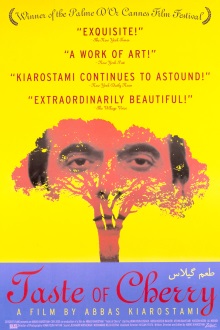
The great Iranian director Abbas Kiarostami doesn’t have a great track record with me. While I can appreciate the complexity of thought that goes into his work, most of it is either so subtle or draws so heavily from other artistic works I’m not familiar with that I find it utterly mystifying. It’s therefore quite a bit of pleasure to discover that Taste of Cherry is mostly accessible and comprehensible to me.
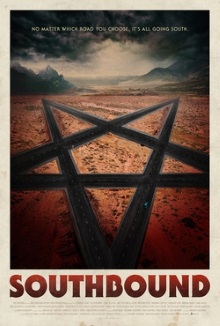
This one is a lesser known film that isn’t very notable but I thought it would make for good light entertainment. I’m pretty sure I read about it on Broken Forum. It’s a collection of five short films by different directors but which are all connected and share a theme of horror on the highway. It’s a low budget film starring unknowns but I thought it didn’t acquit too badly for itself.
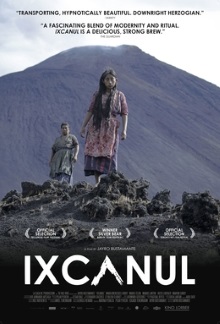
This film made it onto the lists of many critics’ best films of 2016 though it actually made its debut at a film festival in early 2015. It has a 100% rating on Rotten Tomatoes and boasts of being the only film ever made in the Kaqchikel language, apparently a branch of the Mayan family of languages that is spoken in Guatemala. Needless to say I watched this with a fair bit of anticipation.