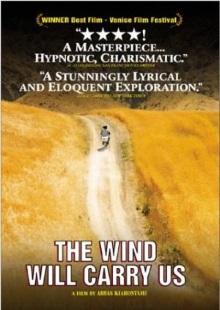
As astute readers might intuit, this was added to our watch on the occasion of the death of its director Abbas Kiarostami. I’ve previously covered one of his later works in this blog, but I’ve never watched any of the films that actually made his famous. Kiarostami was already a pretty big deal when he made The Wind Will Carry Us, but I believe this helped him cement his reputation at the height of his career, making it essential watching.
The synopsis of Green Room makes it sound like a generic splatter film, a genre that I have absolutely no interest in and would have passed over without a second thought. What makes this film deserve a second look is that it was directed by Jeremy Saulnier, who made waves a few years ago with the utterly fantastic and mostly Kickstarter-funded Blue Ruin. This one seems to have been made using a more conventional funding model, raising enough money to get Patrick Stewart onboard. It’s actually a bit odd too see such a famous actor slumming it up with all of the unknown ones, though those who have seen Blue Ruin will recognize Macon Blair here in a supporting role.
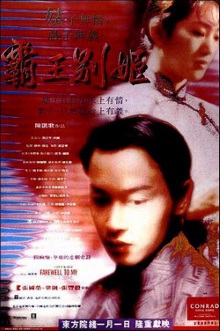
Farewell My Concubine is probably the single most famous film by its director Chen Kaige and one of the representative works of the so-called Fifth Generation movement of Chinese cinema. After watching Yellow Earth a few months back, it seemed natural to progress to this one as I’ve never seen it before. My wife claims to have watched it many times already but she was insistent that I gain more exposure to Chinese films.
This film needs no introduction. If nothing else, everyone knows about its famous orgasm scene. It also launched the career of Meg Ryan who would unfortunately then be forever typecast as the love interest in many similar rom-com movies. I’ve never watched it however as I was only thirteen years old when it was released and I suspect that most guys would watch it only if it were with a girlfriend. So when my wife wanted to add this to our list I was okay with watching it. After all, no one can deny the cultural influence it has had.
Michaelangelo Antonioni is apparently one of the great Italian directors and it’s on me that I have neither heard of him nor watched any of his films. This one regularly makes it onto lists of the world’s greatest films so it was an obvious choice to get to get to know this director. Unfortunately it was very wrong of me to expect something similar to Federico Fellini. While it isn’t difficult to tell what’s going on in this film, it is often impossible to figure the why of it or what to expect next. This made L’Avventura a very frustrating watch for me.
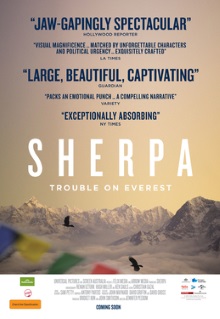
My wife and I no longer climb much for recreation as I’m too lazy to train for the level of fitness required but I still retain a interest for what goes on in that milieu. Combine this with the fascination that most people have for the goings-on at Everest, and you have the explanation for why I wanted to watch this documentary by Australian filmmaker Jennifer Peedom.
The MCU films are the only franchise that can reliably draw me to the cinemas and Doctor Strange is only proving that my faith is well founded. Bringing this to the screen was always going to be problematic as this is a character that was difficult to portray even in the pages of comic books. As many writers have noted, magic in theory can do anything, so how you do define meaningful constraints on what Strange can do in a way that the audience can understand? This film chooses to solve this in an interesting way: magic is visually spectacular but in the end magicians seem to mostly fight in melee like the rest of the MCU characters.