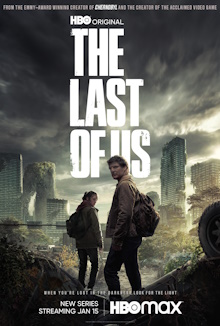
I never played the video game as it was a PlayStation exclusive for so long but of course I couldn’t help but be aware of it given its success. I was hesitant to watch this series as I’m still feeling burned out about zombie stories but our cinephile friend recommended it and I heard that it’s completely faithful to the videogame so here we are. In the end, I have to concede that this is probably one of the most competently executed zombie story on television and boasts a large enough budget to look utterly fantastic. Yet it still is just a zombie story and there’s only so much they can do with only two lead characters. It’s entertaining, sure, but it’s not a show that I particularly love.
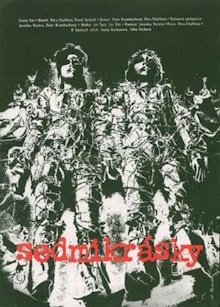
This experimental Czechoslovakian film is a real head-scratcher as I can barely understand a fraction of what it’s trying to do. The key may be that it was made when the country was still under Communist control and this level of obfuscation was necessary to get its anti-establishment message past the censors. The two female characters get up to all kinds of crazy antics but the one line they keep repeating is that nothing really matters suggesting a deep-rooted apathy to life. The visuals are striking certainly and there is plenty of creativity as it switches between types of shots and pair the movements of the two sisters with sound effects. Still this is just way too weird and incomprehensible for me.
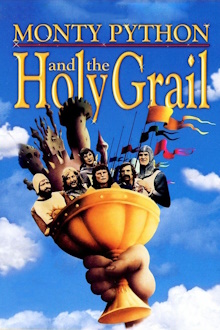
Obviously everyone knows Monty Python and the Holy Grail and I’ve watched plenty of clips from it here and there, but I’ve never seen the full thing. So when I realized that it’s on Netflix, I thought that it was time to fix that. It’s every bit as zany and outrageous as its reputation, yet unfortunately it does seem that it’s best appreciated as a series of skits. Some of the sequences take too long to get into and don’t land very well. The whole thing is just a bit too much. I’m amazed by the irreverence on display though and impressed that Terry Gilliam and his team basically learned how to direct in the process of making it.
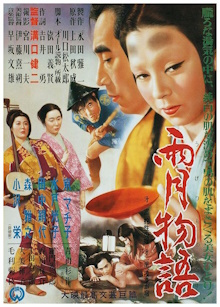
Adapted from supernatural stories dating back to the 18th century, this period fantasy film is utterly traditional. It’s been a while since we’ve watched anything as old-fashioned as this and it’s satisfying how we now interpret these old stories differently in light of all that we’ve learned about art and cinema. This film is delightful and the execution is perfect, as it successfully evokes the supernatural with no special effects. More than that, it strikes me now that these stories were written to keep the peasants in their place and never attempt to rise above their station. It’s so obvious that I wondered why I never saw it before.
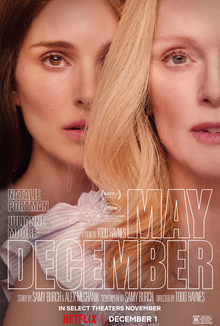
I really liked this dark drama about an actress researching for her latest role but then after finishing it I went online to read up on what people had to say about it and discovered that it’s considered a comedy. That made me wonder if I even understood it correctly at all. In the end, I don’t think I was wrong though. Despite the overbearing horror music and the absurdity, I believe director Todd Haynes fully means for the audience to seriously engage with the topic. It’s unsettling, deeply uncomfortable for everyone and none of the characters are quite certain what to think of the situation themselves so it’s only to be expected that the audience will feel the same.
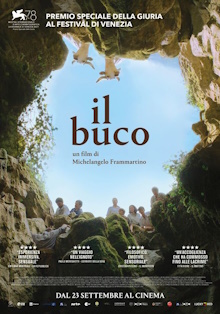
This may an Italian film but it barely matters as there is no dialogue whatsoever. There’s only a foreword and an afterword in Italian explaining what it’s about. Instead what we have is pure visual storytelling and some of the best cinematography I’ve seen in recent years. This is also a film that defies genres. It’s technically a dramatic reenactment of an event in 1961, the exploration of the Bifurto Abyss cave system. Yet it’s staged like a documentary with no particular focus on any characters with the exception of a local of the area. It is amazing in all respects and it makes me wonder what other historical films might be like if they were made like this.
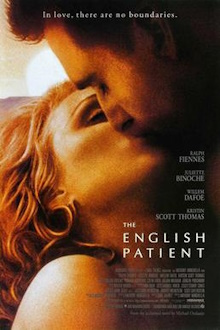
I never watch this back in the day and it was never on my watch list. But it popped up while I was browsing Netflix and my wife noted that it was a film she liked. This is a very long film, especially so for a romantic drama, but no can deny the beauty of the cinematography nor how deeply affecting it is. This really has it all, an aristocratic desert explorer who has some serious bad boy vibes, the last gasp of the pre-war internationalist period, all mixed up with passionate love so intense that it overcomes marriage vows and gentlemanly conduct. I have quibbles about its structure and the relevance of characters like Hana and Kip, but it’s a good film that deserves its place among the great romances.