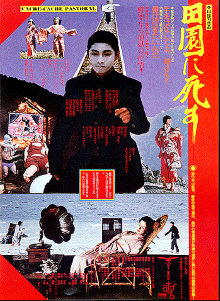
After watching so many of the classics of cinema, I thought that I’d had at least heard of all the greats by now but this recommendation from our cinephile friend still managed to surprise me. It was directed by Shūji Terayama who it seems was a true artist in every sense of the word: a poet, writer, playwright etc. in addition to being a director. This highly experimental film was itself loosely adapted from his own poetry.
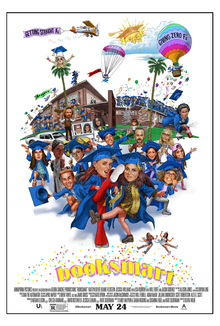
As I’ve mentioned before, I have a bit of a weakness for coming of age films and this certainly counts. It does seem rather more juvenile than I would usually like but it’s has been well reviewed and even showed up on the best of lists of a number of critics. Interestingly it’s also the debut directorial feature of Olivia Wilde who is of course best known as an actress.
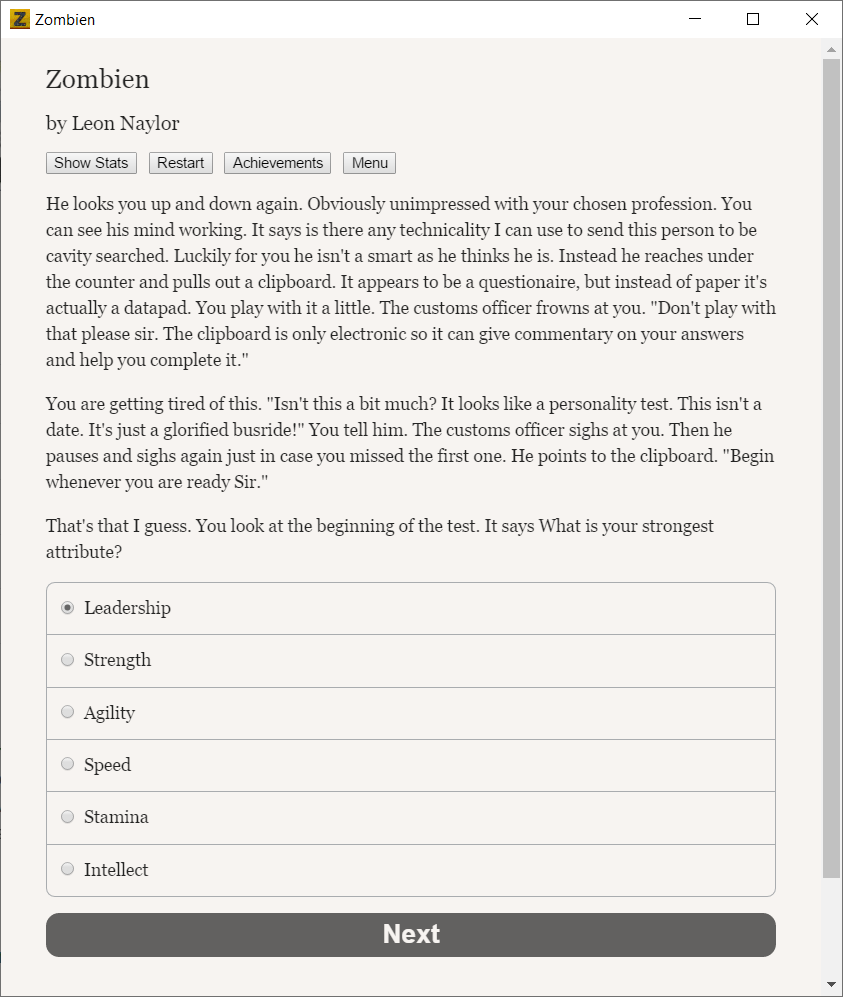
For a while I kept seeding advertisements about the text-based games from the company called Choice of Games and I was intrigued. I was a big fan of both the Choose Your Own Adventure types books with no game mechanics and well as proper game books with rules and mechanics growing up, and I still love the idea of using text to tell stories in video games. Then there’s the incredible diversity of titles they have so far and how they advertise the limitless possibilities of the options available. Harness the power of your imagination indeed!
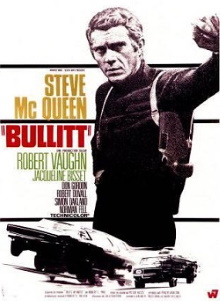
I like to think I give all genres of film a fair shake while I go through the classics but the truth is that action films suffer disportionately as stunts and action shots that were great back in there just can’t compare to what studios can achieve now. Bullitt was once known for one of best car chase scenes in cinematic history though by modern standards it’s only ordinary. Still, I believe that this is the first film I’ve watched starring Steve McQueen, another legend of Hollywood.
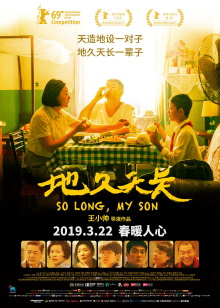
Wang Xiaoshuai is a director of some note in China. It appears that I haven’t watched any of his films before this but his very first film The Days has been on my list for ages as it seems to be impossible to find. That’s why I hoped that this would be decently good but it turned out to be just another sentimental mess, and one that is far too long to boot.
This was a bit of an impulse purchase, one of the rare occasions when email spam advertisements worked on me. While all fans of H.P. Lovecraft could not fail to know of the sinister King in Yellow, I realized that I had never read the original source itself by Robert W. Chambers. The text itself is free to read on Project Gutenberg but this edition brings together some very eerie illustrations by Samuel Araya with annotations and appendices to help the reader better understand the text itself so I thought I’d give in and go with that.
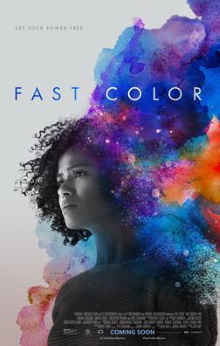
I always like to give independent films with interesting premises a chance and this one, purportedly a female-centric superhero film that has nothing whatsoever to do with Marvel or DC, seemed like a good bet. Unfortunately not all such bets turn out well and this is a thoroughly mediocre film, to my eyes made only because the director had a cool idea of a particular special effect to use.