This would be the first film I’ve watched by director Masaharu Take and it’s pretty hard to decide what genre it belongs in. Its Wikipedia page describes it as a sports drama but while it has boxing, it’s not really about boxing. My wife suggests that it’s a love story but that’s not entirely right. In the end, I think that this is a film about people just don’t quite fit right in society and so this film too doesn’t feel like a perfect fit in any genre.
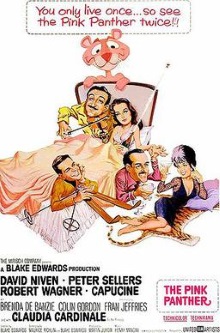
Like many other children I thought that The Pink Panther was a cartoon due to the popularity of its mascot and was left disappointed and confused when I saw that this was not the case. Much later I learned that there is an entire series of these films about the bumbling Jacques Clouseau but I still remembered my early irritation and never watched any of them. Since I’ve been working through all of the classics of cinema, it’s only fair to give what is considered one of the greatest comedies of all time a shot.
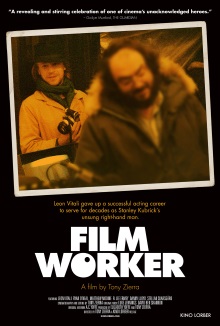
So I only just wrote that we’re probably done with the oeuvre of Stanley Kubrick and immediately upon watching this, I realized that we’ve never watched Barry Lyndon. This is a documentary about Leon Vitali, the man who would become Kubrick’s primary assistant. I originally thought that he must have been his cameraman or something but, no, he really was his assistant for about 25 years.
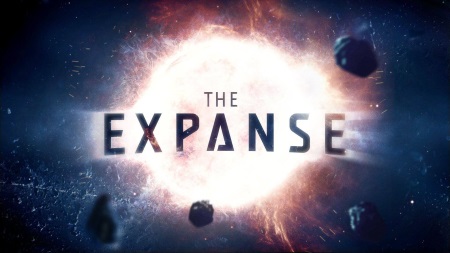
I usually don’t write about television shows here but I think I might have to start doing so as they are becoming increasingly sophisticated and have more artistic merit than many films. The Expanse is a great example, being an impressively well produced adaptation of the novels James S.A. Corey. So far we’ve watched the first two seasons and while they are very far from being perfect, I found it surprising that something this good exists for television.
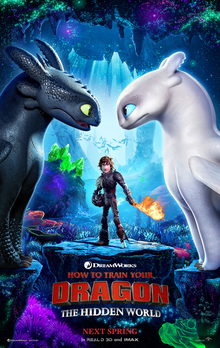
We went to the cinema to watch this only because we had nothing better to do during Chinese New Year and Alita: Battle Angel has an atrocious rating on Rotten Tomatoes. I also realized we’ve now watched all three films of the trilogy in the cinema, quite a rarity for any film series really, without consciously intending to do so.
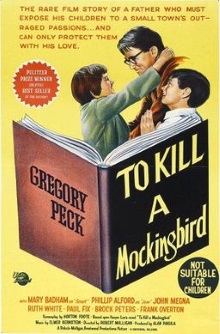
Here’s another adaptation of a very famous novel which I’ve never read. The novel entered the limelight again a few years ago due to the publication of a supposed sequel that is now more widely regarded as a first draft. This adaptation was widely acclaimed upon its release and is clearly definitive as no one has since tried remaking it.
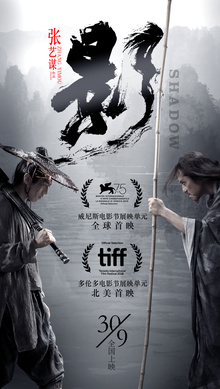
It’s been a while since we last watched a film by Zhang Yimou especially since we skipped the badly reviewed The Great Wall. I had no great expectations for this, thinking that it should at least be beautiful. The visuals however turned out to be somewhat restrained being more focused on character-driven conflict and though the results are predictably, it’s not as bad as I feared.