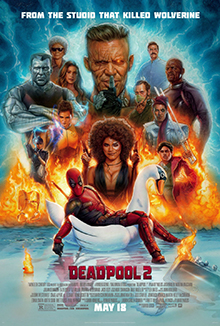
It’s a little embarrassing to keep going to the cinema only for superhero films but after their brilliant marketing campaign there was no way I would be missing out on Deadpool 2. I was initially skeptical of decisions such as making Domino a black woman but as it turned out this film is clearly made by people who understood what the 1990s comics scene was like and I ended up like this more than Infinity War.
I’m pretty sure we’ve never watched a Hungarian film before but this is only one of two films from that country currently on my list. It was directed by Ildikó Enyedi, a female Hungarian director who appears to have quite a respectable filmography. It’s all new to us of course but I do note with some interest that the film’s credits appear in both Hungarian and English and its main song is by Laura Marling, a British folk singer.
This is a must watch due to how it quickly rocketed to the top of various critics’ best of the year lists and garnered a slew of awards. Some may also remember it hitting the news due to the crew’s unauthorized filming inside Disney’s Magic Kingdom Park though it turns out to be for only a very short scene.
Having at least a couple of films by Takashi Miike, I can’t say that I’m a fan but this one has a decent Rotten Tomatoes rating and there are always moments such as now, given the high drama of politics in Malaysia, when we just don’t feel like watching anything too heavy. I thought that this fantasy samurai film, adapted from a successful manga, might at least be entertaining and pretty.
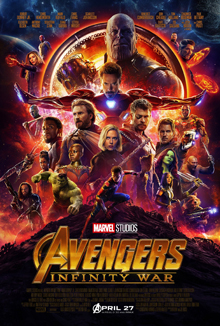
Late on this one as I was out of the country for almost all of last week, though of course I was always going to watch this. This is a highly anticipated film even to me and I still own the original Infinity Gauntlet comics. Still I kept my expectations to realistic levels and on the whole found this to be solid superhero film and about a good a capstone to the MCU as one could hope for though it isn’t exactly transformative.
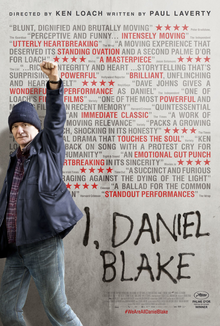
This one was another recommendation from our cinephile friend and given his leftist sympathies, it’s not hard to see why he wanted us to watch this. British director Ken Loach is quite well known and has made a career out of making films like this but I don’t believe I’ve ever watched any of them. After watching this one however I can see that the director means well but I’m not sure that I can agree with his cause.
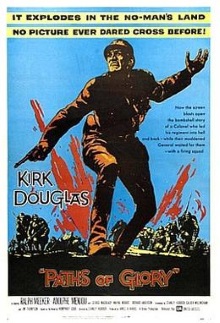
This is an older film by Stanley Kubrick that neither my wife nor myself have watched so it was automatically put on the list. I doubt that we will ever watch his earliest films made independently of the major studios but I certainly intend to watch all of the others eventually. His most famous collaboration with Kirk Douglas is of course Spartacus but before that they had made this lesser known film set during the First World War.