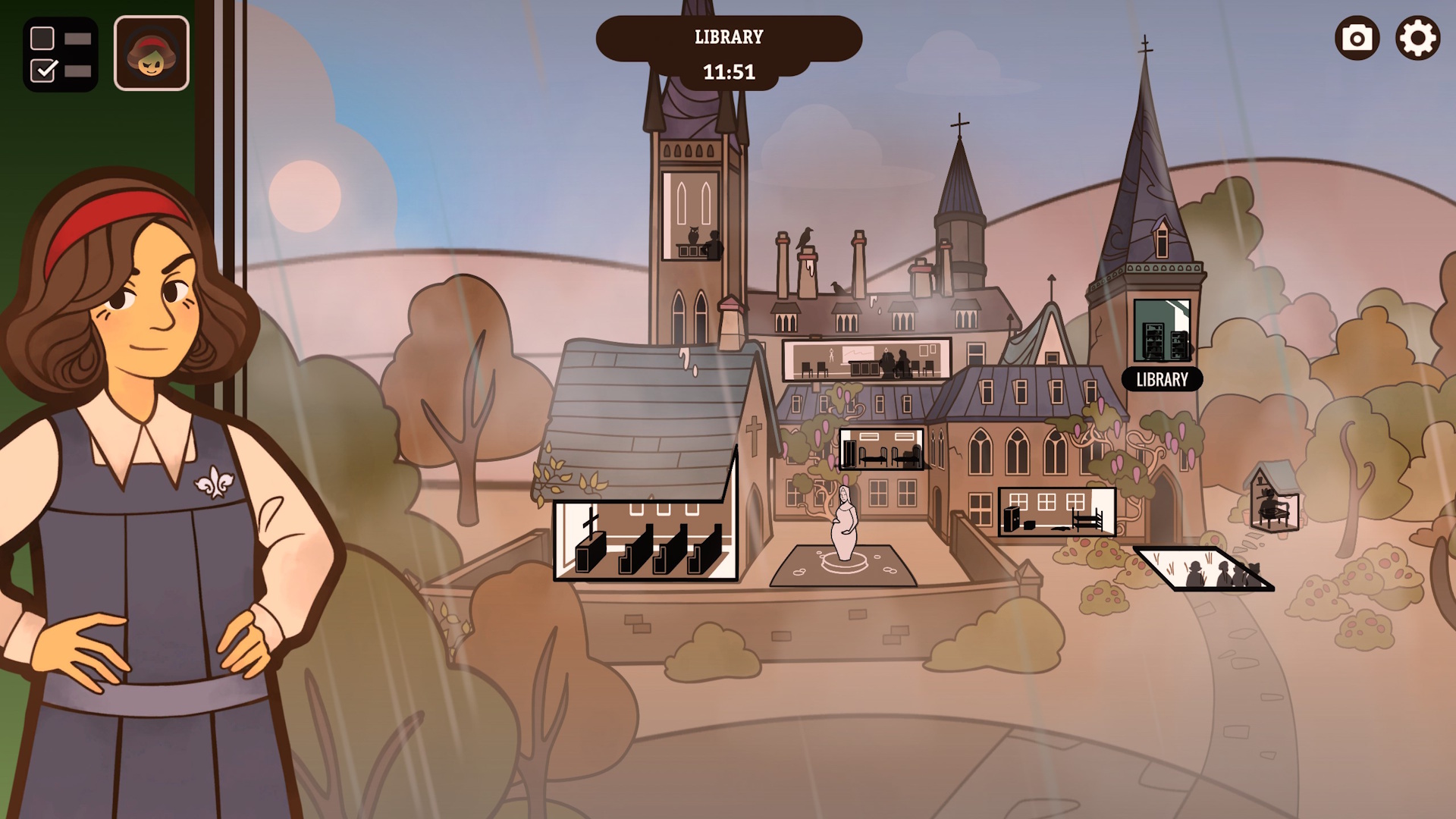
I’m a huge fan of the storytelling games made by Inkle and what’s more this is a prequel to Overboard! so I just had to get it. I wasn’t too fond of the earlier game as I found it too short but I did like the story and the characters. This game too has rather little content but the effective playing time is lengthened by it being significantly more difficult. It’s difficult enough that I would consider it a puzzle game rather than just a storytelling game.
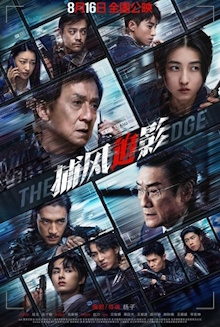
It’s been a long time since I’ve watched a proper Hong Kong action movie though this may not quite qualify. It’s set in Macau and mainly uses Mandarin with a odd smattering of English. It’s even adapted from a Hong Kong movie from not too long ago. It’s overly long, is too hung up on twisty plot points and escalates the scale of the action to absurd levels. Nonetheless it genuinely is an spectacular action flick, probably Jackie Chan’s best in years, and with Leung Ka-Fai turning in a fantastic performance as a scarily threatening villain.
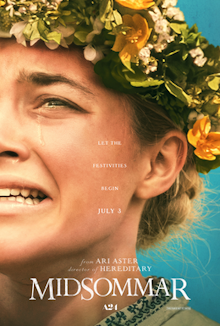
This horror film has enough of a hold on the public imagination to be regularly talked about even years after its release. I hesitated to watch it as the reviews are middling and director Ari Aster’s work is inconsistent for me. In the end I’m very glad I did despite it being too long and psychologically less complex than it needs to be, as this is one of the rare horror films that can aspire to break out of the confines of its genre. The setting featuring intense, unrelenting sunlight and bright, cheery colors instantly marks it as being unique, proving that horror doesn’t have to exist only in the dark.
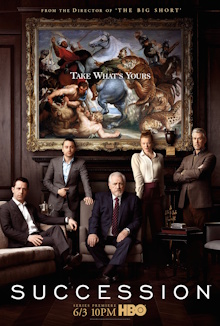
This series has been on my radar for a while due to it supposedly being about the succession of a company and the fact that it’s loosely based on the Murdoch family. As usual, I like to wait until the whole series is complete and so here we are. The bad news is that this is not really about business as all as it tends to gloss over the day-to-day of corporate life. Instead it’s all about the family drama. The good news is that it’s very good at it and all of the characters are villains that you’ll love to hate. I do worry that the pattern will become too repetitive but for now I enjoy it and will be down for the second season.
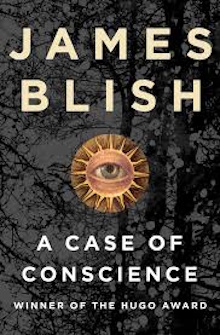
I’ve known about James Blish’s Cities in Flight setting for ages but never got around to reading any of the books, save a couple of short stories collected in anthologies. But it was this 1958 novel that won him a Hugo Award. It’s a very short book and unfortunately very much a product of its time in its depiction of the state of society and fears of nuclear weapons. But at its heart is a crisis of faith in Catholicism, arriving at a conclusion that is mind-blowing. This truly is one of the more unique pieces of science-fiction out there and deserves its place in the sci-fi Hall of Fame.
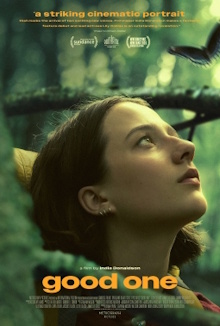
As a film that is all about a hiking trip, Good One invites comparison with Kelly Reichardt’s Old Joy that I so loved. I didn’t much care for it at first. It felt that there was little hiking compared to everything else, sitting around a campfire, by the river, in the car. But of course I’m a clueless guy just like the two men on the trip with the lone girl and missed the character dynamics until the issue was shoved straight into my face. This was the directorial debut of India Donaldson and I do still think the pacing issues are real. But it brilliantly dissects how men are sometimes blind to everything but their own problems.
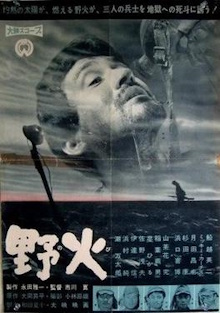
Films that provide the Japanese perspective of the Second World War remain comparatively rare, reason enough to watch this. It was also made by Kon Ichikawa who made the more famous The Burmese Harp. Both are anti-war films but while there was something transcendent in the earlier film, this later film is viscerally and unrelentingly bleak. It graphically depicts the Japanese soldiers suffering in the worst ways imaginable and committing atrocities in order to survive. No one would want a repeat watching of the horror shown here, but it is worth watching once.