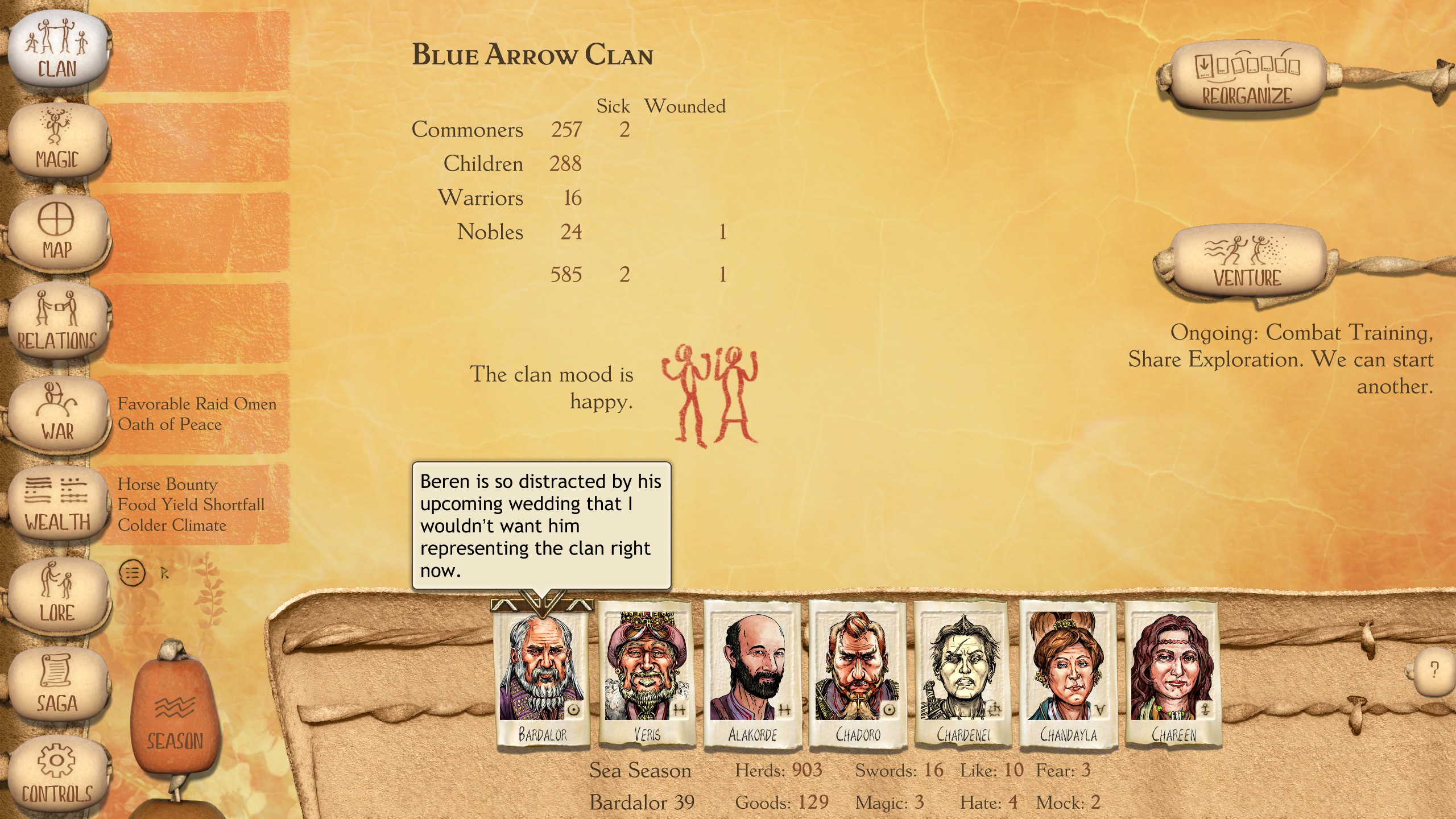
I first tried King of Dragon Pass ages ago but only finished it when A Sharp got around to releasing a modernized, downloadable version. I even wrote a game diary of the experience 10 years ago! Apparently the new version did so well, they decided to make more of them! As with the original game, this is set in Chaosium’s Glorantha fantasy setting but the story here takes place before the events shown in King of Dragon Pass, so it’s really a prequel. Mechanically this works almost exactly the same, with expanded options for battles and of course as it still uses hand-drawn art, it even looks similar. Unfortunately I’ve found that I still remember my playthrough of the first game enough that more of the same wasn’t very satisfying to me and the same approach just isn’t novel enough now to hold my interest.
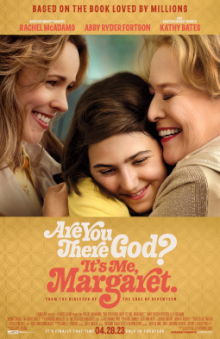
Off the top of my head, I can’t think many any coming-of-age film that involves the main character needing to choose between different religions, so that’s enough to make this film interesting to me. Add to that how it boldly confronts issues like menstruation, and it’s no wonder this is a favorite of the critics. Strong as the pitch is, this film kind of flubs it by being too nice and too light-hearted. Margaret’s family is so sweet and so supportive and her problems so easily resolved with minimal fuss that we barely see her struggling with anything. It’s a pleasant film to watch but it feels like it ends too soon without Margaret having to get into any serious confrontations and that’s just not very satisfying.
We’ve watched many films by Akira Kurosawa but none have been quite like this, a lesser known one from very early in the director’s career. It’s about a student movement against the rise of militarism in Japan just before the Second World War, thus providing a relatively rare Japanese perspective of the war. It’s also notable in that it stars Setsuko Hara, who is best known for her collaborations with Yasujirō Ozu. I believe this is the only film in which Kurosawa and Hara worked together and I’m fascinated by how Kurosawa uses the actress in a way Ozu never would. There’s nothing particularly noteworthy in its execution so this isn’t considered to be a great film. But making this film in 1946 must have been an incredibly bold artistic statement and I really have to admire that.
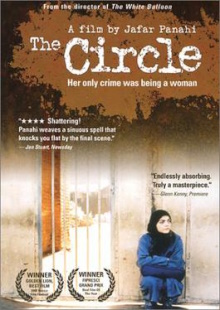
Not long ago, I wrote about how Jafar Panahi’s newer films seem darker than his older ones. Well, I was wrong because I’ve now gone back to watch this and it’s far more depressing. Rather than having a central narrative, this film consists of a series of vignettes about a group of women who are all victims of the Iranian government and society. This is raw and brutal in a way that Panahi’s later aren’t. Even so I detect some amateurishness at this stage of his career, such as the way the camera sometimes focuses on details that are irrelevant.
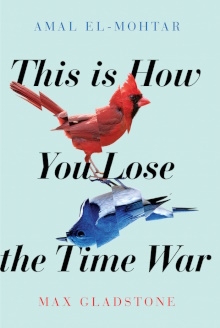
I bought this largely because it’s a meme book and I was curious what the fuss was all about. This was originally published in 2019 and won some awards. But it only went viral earlier this year due to a tweet and shot straight up to the top of the bestseller charts. It’s a science-fiction romance story written in an epistolary format by its two co-authors, so really not something that I usually read. The pattern of the correspondence felt obvious and repetitive to me early and there’s really only one way a story like this can end. Still, the quality of the prose and the intensity of the emotions it evokes just about won me over towards the climax.
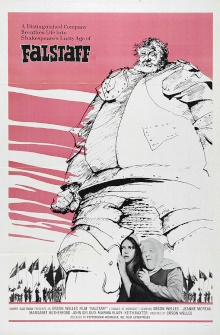
This is likely the last Orson Welles film featured here since we’ve already covered most of the important ones and my wife has difficulty getting into them. I suppose it’s appropriate that Welles’ himself thought this was his finest work and fought hard to get it made, even lying to his financiers about what he was making to get it done. It’s an adaptation of Shakespeare, pulling plot details and lines from several plays, to tell the story of the character of Falstaff who Welles plays himself. Personally though I found this at times amusing and was impressed by the scale of the production, I think it says more about Welles’ own philosophy of life than anything. Welles’ attempt to rehabilitate the character is unconvincing to me and that makes this distinctly not the great film he thinks it is.
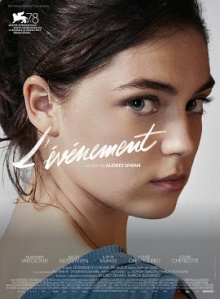
A string of some of the recent films I’ve especially liked feature a back to basics approach. The same could apply to this film too as the story of a young girl getting an unwanted pregnancy is all too familiar. Offhand though, I can’t recall a single one of these stories that doesn’t put the blame squarely on the girl or end with her making peace with delivering the baby. This is unapologetically a pro-abortion film and it is far past time that something like it exists, to show just how powerless girls feel to have no control over the course of their own lives and how unfair it is that the burden falls entirely on girls while the guys just walk away with no consequences. At the same time, it doesn’t shy away from the ugliness of what an abortion really is either, making it practically required watching for sexual education purposes.