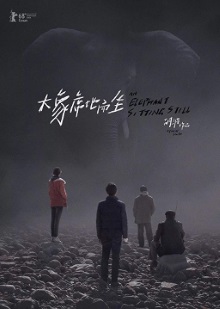
Clocking in at nearly four hours, this is one of the longest films we’ve watched. It’s also one of the darkest, an observation that is made especially poignant by the fact that its director Hu Bo committed suicide shortly after finishing it at the age of 29. The film itself is based on a novel by the director himself, apparently being what caused him to shoot to fame. This therefore represents the director’s first and final feature film.
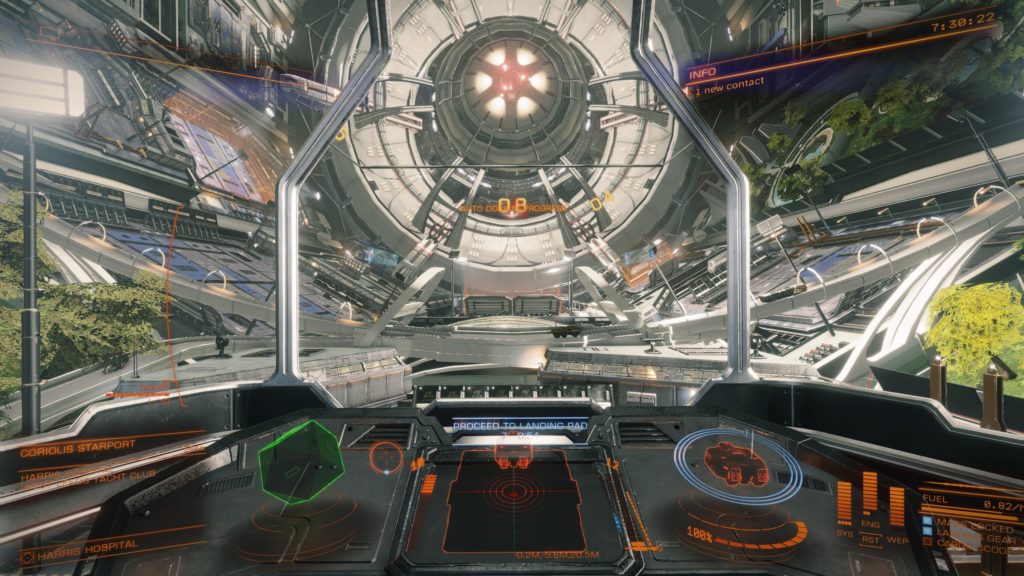
Since the last time I wrote about this, I’ve bought the Horizons DLC and put in many more hours into this game. I have to say that the learning curve just to get back in is pretty brutal. Not only did I have to refamiliarize myself with my custom control setup, the addition of Horizons and patch changes since I last played meant that there are now many more controls, all of which are not automatically bound. It’s pretty hard to set up these keybinds when you don’t even know how all these new systems work.
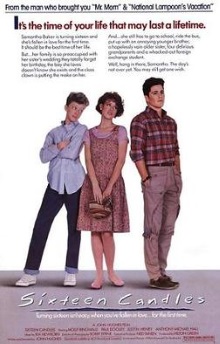
Here’s another John Hughes directed teen film that is considered a cultural touchstone of America. It also reentered the public consciousness recently when its star Molly Ringwald spoke about this along with The Breakfast Club in the wake of the #MeToo revelations. I wanted to watch this one as well because while The Breakfast Club isn’t exactly great, it did take the worries and concerns of teens seriously. Unfortunately Sixteen Candles is nothing at all like it and is an execrable film all around.
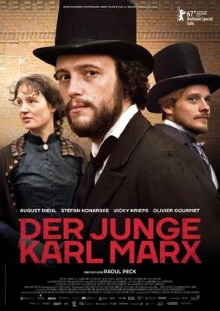
This film, made on the occasion of Karl Marx’s 200th birthday, caught my attention when it appeared on the festival circuit and so added it to my list. I only later noticed that it has a rather atrocious Rotten Tomatoes rating. Having watched it, I understand why but I don’t regret spending the time on it at all as I admire director Raoul Peck’s clear passion for the subject and for knowing exactly what he intended to achieve with this film.
I found this on the usual critics’ lists and knew it that it starred Ethan Hawke playing a priest. I did not realize that it was directed by Paul Schrader who seems to have been desperately trying for the past several years to revive his career and make money through a succession of awful films. I don’t understand how he convinced Hawke to appear in this one. Indeed while it starts out as a fairly conventional story about a priest wrestling with internal demons, it soon goes off in a dark direction that is not at all convincing.
Once again, a whole slew of science stuff that mostly appeared on my radar towards the end of the month.
As usual I like to start with what I think is the most important findings instead of what is spread virally the most. This one is huge if the experiment can be replicated and it concerns how multicellularity can evolve in a single-celled species. The scientists exposed green algae to predation and found that they had evolved novel multicellular structures within 750 generations. They also observed that these new traits helped protect the algae from the predator.
Next is research claiming that a lack of sleep can lead to DNA damage. The sample size of the study is admittedly small but the claim is that they examined who had to work overtime shifts and found that they had more breaks in their DNA and less active DNA repair activity than those with more normal sleep patterns. It is theorized that this could raise cancer risk.
Returning to the controversy-laden announcement of gene-edited twins in China last year, there’s been a new claim that by deleting the CCR5 gene to make the girls immune to HIV, the team also inadvertently improved their brains’ ability to recover from stroke and perhaps also increased their overall intelligence.
Moving on from the life sciences, here’s a paper about how autonomous pricing algorithms, essentially AI agents assigned to determine prices to maximize revenue in a market can spontaneously engage in collusive pricing behavior without being specifically programmed to do so and without even being allowed to communicate with one another. This isn’t surprising but it does as the paper states pose a challenge for authorities trying to set competition policy.
Last year there was a paper that tried to value Facebook by asking users how much they would have to be paid to voluntarily give it up. This new paper instead forced a group of people off of the social network and afterwards monitored their activity. It was found that many of them reduced their usage levels even after the deactivation period and some didn’t return to Facebook at all. The researchers make the argument that Facebook could be a net bad for society but the costs of individuals voluntarily giving it up are too high so there is case for forcing a reset.
Finally the news that has been spread everywhere is this bit about zombie deer in North America. It’s caused by an infection that attacks the brain and spinal cord tissue and eventually causes death. But before then it apparently makes the animals more aggressive and affects their coordination, hence zombies. So far it doesn’t appear to pose any risk to humans.
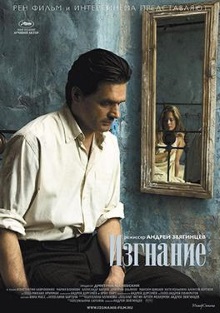
Here’s yet another film by Russian director Andrey Zvyagintsev and it pretty much completes his entire filmography until he comes out with something newer. This one is even slower paced and more languorous than any of his other films. The cinematography is exquisite and credit for that should be due to Mikhail Krichman. Unfortunately the film’s poor characterization and weak grasp of its themes make it unworthy of its beautiful imagery.