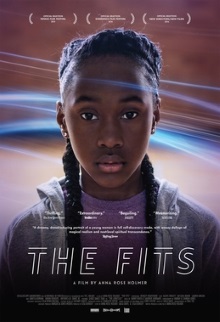
I had no idea what this film was about. That it was included in critics’ lists of notable works and that it has a Rotten Tomatoes rating of nearly 100% are enough to make it worth watching for me. I knew that it was surprisingly short, at a little over an hour in running time, and is the feature film debut of an unknown director, Anna Rose Holmer, with unknown amateur performers.
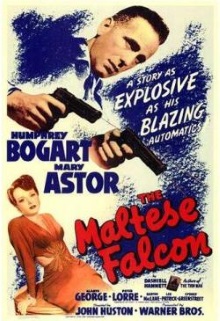
The Maltese Falcon is another one of those films that everyone is expected to have watched. I don’t mean just film critics and film history buffs either but everyone considering how famous it is and how Sam Spade is nearly the American equivalent of Sherlock Holmes. For my part, I remember it being aired quite frequently on Malaysian television when I was young but I’ve never actually sat down to watch it.
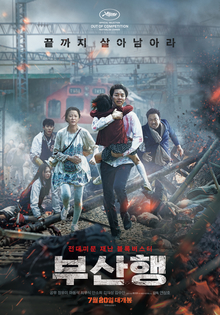
Between all the movies, television shows and video games, I felt that the zombie genre was fully saturated and so I had no real interest in this film when it first came out. By the time I became aware of its hugely positive word of mouth reviews and tried to watch it, it had already fallen out of rotation at the cinemas. So here I am watching a popular movie months after its release.
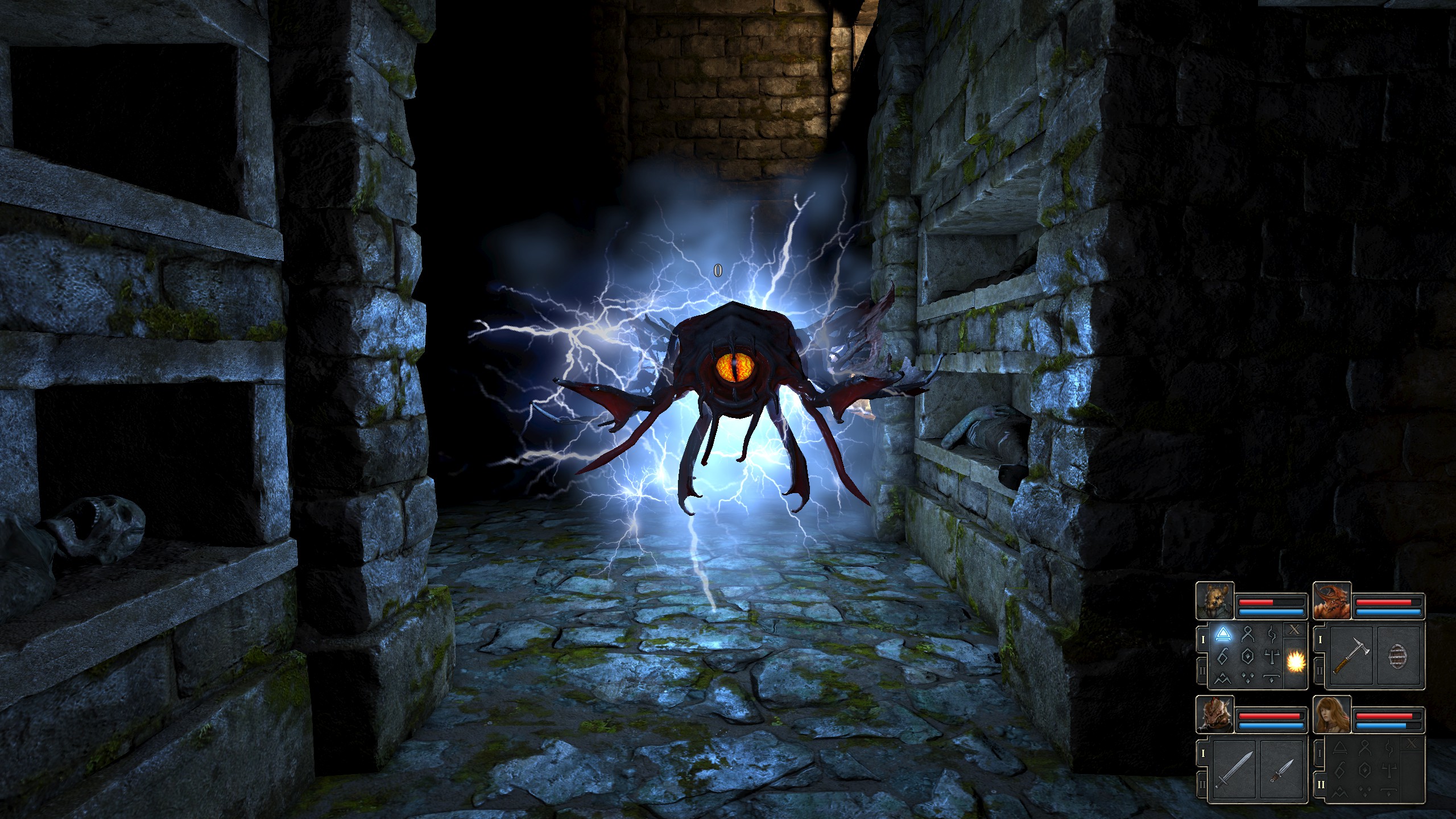
This was an impulse purchase a while back that I quickly regretted as I didn’t even like the first game all that much. My completionist instincts pushed me to play it anyway so I more or less did my best speedrush my way through it relying on online guides to solve the puzzles. Even so, it took me more than 20 hours of playing to reach the end, though I did take the extra trouble of getting the true ending. That’s enough to make this a surprisingly substantial game I think.
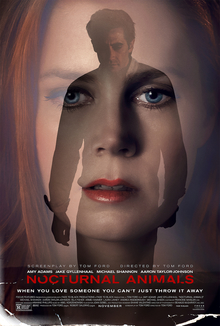
Tom Ford is better known as a fashion designer, being at various times the creative director of Gucci and Yves Saint Laurent, but he seems to be developing a second career as a movie director in his free time. Nocturnal Animals is only the second film that he has made and it’s almost unfair how good it is given how far removed a director’s skills are from that of the fashion industry.
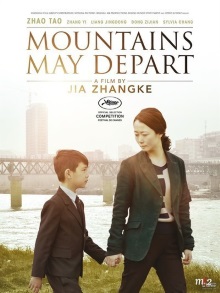
Director Jia Zhangke seems to be hot stuff in China at the moment. I’ve tried for ages to get a hold of a decent copy of the well known Still Life but it seems almost impossible. This one is a more recent release and duly made it onto the usual lists of the year’s most notable films. Unfortunately while I liked the director’s previous release A Touch of Sin, I found this one to be very mediocre.
Once again, biology dominates and we have another article about CRISPR so let’s start with that.
I can’t see how this can be much of a surprise, but as this article states, it has been found that usage of the CRISPR-Cas9 gene editing technique can cause hundreds of unintended mutations. This is based on an experiment in which the whole genome of mice that had undergone editing with the mice were sequenced to look for all mutations as opposed to looking merely at sites which the researchers were attempting to change. So far they haven’t noticed anything obviously wrong with the animals in question but it’s clear that scientists must be aware of unintentional side effects when they employ technique.
Next up is a very impressive experiment in which scientists showed some monkeys photographs of human faces and then recreated those photographs from recordings to the monkeys’ brain ways. In effect, they were able to read the brains of the monkeys, or at least that specific part of their brains responsible for recognizing faces, the so-called face patch regions. Apparently sampling electrical readings of around 100 neurons from the face patch regions was sufficient to recreate images that are eerily close to the photographs of the faces that the monkeys saw.
One of two articles this month from The Economist, the only publication I subscribe to, is about a potential new treatment for autism. It’s been tested on both mice and people and it’s a treatment, not a cure, as when its effects leave the body, previous behaviors return but the improvement seems astounding. Strangely enough the medicine was actually discovered in 1916 as a treatment for the sleeping sickness spread by tsetse flies.
Usually when I link content from The Economist for this regular feature, it’s from their science and technology section but this one is from their weekly column on language. It talks about the common perception that women talk more than men and cites an experiment which monitored participants in their daily to record how many words they spoke. The results were that on average men and women spoke about the same number of words per day but that audiences tend to report that women speak more even when both are reading the exact same script.
Finally, here’s a fascinating article about the domestication of cats. It claims that cats, unlike pretty much every other animal reared by humans, have never been properly domesticated. Based on analysis of cat mitochondrial DNA, humans began breeding cats only around the Middle Ages. This explains why cats don’t share the typical signs of animal domestication that we see in other species such as the infantilization of facial features. However it does note that we are currently in the initial stages of domesticating cats, suggesting that a few thousand years from now, cats may exhibit dog-like traits and behaviors.