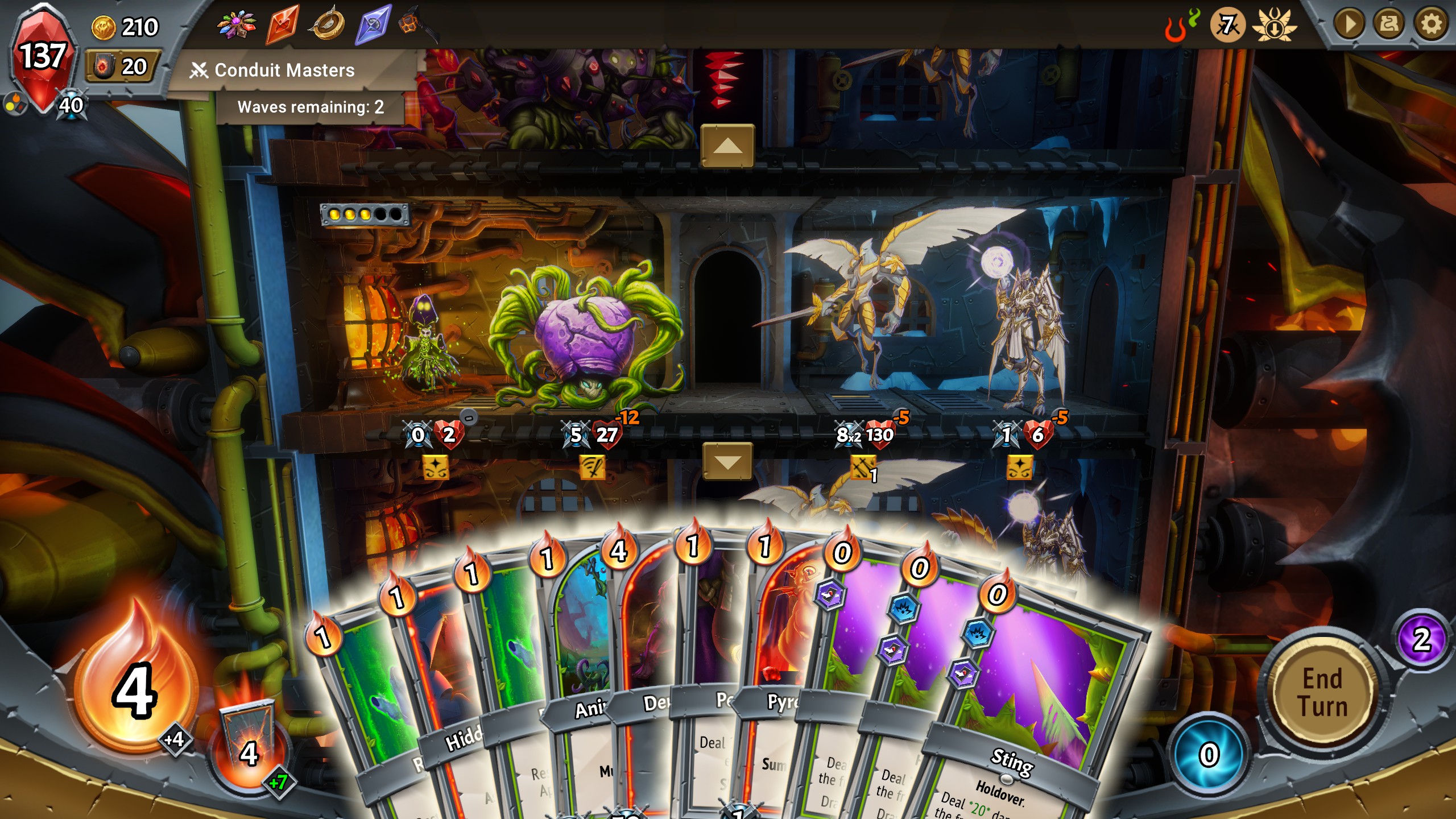
I loved Slay the Spire, so it was only a matter of time before I got around to playing this deckbuilder game that was clearly inspired by it. It flips the theme around so you’re playing as the forces of hell fighting against good but the story hardly matters in a game like this. It modifies the formula so that you’re deploying monsters to defend a number of distinct battlefields for example. On the whole, it’s very similar however so those who loved Slay the Spire should love this as well. I’d say that the design here isn’t quite as elegant as its inspiration and it’s also a more forgiving game. Yet combined with its better production values, I found myself playing this a lot more than I’d expected.
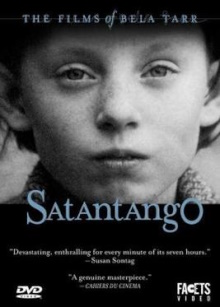
At over seven hours long, this is by far the longest film we’ve watched. Even staggering it out over the course of a week, experiencing it in its entirety was quite a trial especially as it is an artistic film that isn’t always easy to understand and is entirely in black and white. I added this to my list because Béla Tarr is perhaps Hungary’s greatest director and this title often named among the greatest films ever made. The themes of desolation and hopelessness are obvious but it’s hard for someone unfamiliar with Hungary to place the circumstances under which the story takes place. I will say that this is easily one of the most pessimistic films I’ve ever encountered and it really is unique. Sitting through seven hours is still a big ask though.
Ken Liu is unfortunately better known for his translations of Chinese science-fiction into English but he does write stories of his own. I regret to say that I haven’t read them myself but given his reputation, I was eager to find out what a television series based on his stories would be like. I am pleased to report that the series, casting uploaded human intelligences as gods, is utterly fantastic. The technical details are reasonably plausible, it’s appropriately global in scope and best of all, every character acts rationally in pursuit of their goals according to their individual psychologies. It’s such a perfectly conceived and executed project that I have a hard time understanding how it ever got made.
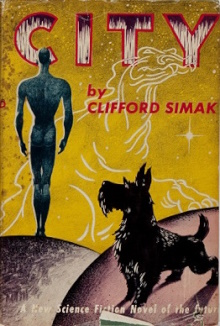
Going through the greatest classics of science-fiction proves to be as rewarding as ever and this one even features dogs! For a person who loves dogs as much as I do, this is very appealing! This book brings together a series of short stories originally published between 1944 and 1951 about a world in which human civilization has fallen and humanity is remembered only by their heirs, the dogs. Each story is accompanied by a foreword that helps connect the whole. The work is very much a product of its time. Author Clifford Simak’s guesses about the implications of technological development feel mistaken to us and the obsession about psionic powers isn’t something that shows up in modern science-fiction any longer. Even so as an exercise of pure imagination to remind us that mankind may not necessarily be the inheritors of some far future Earth, I’d rate this as a masterful and emotionally affecting work.
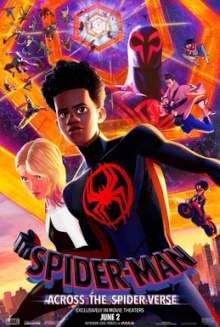
I was a big fan of the first film and really wanted to catch this in the cinemas but was just too busy at the time. In the end, catching this on Netflix might have been wiser after all as this film is just too long and keeping up with its frenetic pace with so many characters and the dynamic changes of art style is quite exhausting. It does look great but it’s too overwhelming even for me. I was let down too by stale story beats like playing up Miles Morales being too busy as Spider-Man to attend to his real life or being forced to sacrifice the few to save the many. That said, it does have some decent character building moments as well so the verdict is kind of mixed. It definitely isn’t as good as the first film to me but I’ll still be looking out for the last part of what now looks like a trilogy.
It would probably be unwise to take Hayao Miyazaki at his word that this will be his final film and I’m not terribly fond of the quality of his later ones anyhow. Still, it would only be fair to watch at least one of his films properly in the cinema and so here we are. This one does finally feature a boy as the protagonist and apparently that’s because it’s semi-autobiographical. It also starts strongly with a firm grounding in reality but eventually veers off into the most fantastical and dream-like of Miyazaki’s worlds yet. There are all kinds of possible interpretations but none are terribly solid or boldly stated enough and so this is again mostly an exercise in pure imagination.
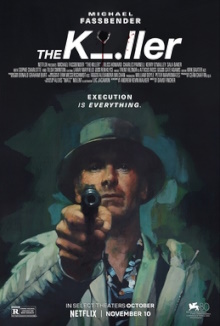
David Fincher’s latest thriller is streaming on Netflix and while it’s as slick as his other films, it hasn’t made much of a splash and feels a little pointless. As its tagline suggests, it amounts to being competence porn and while it does start with the protagonist making a mistake, it only goes to show that even the most skilled and well prepared of professionals are subject to the vagaries of random chance. It’s a very satisfying procedural to watch as it shows every detail of the work of a professional hitman. But it’s not saying anything that is interesting and its subtext, that in the end, it’s the rich, white dudes who get to life, makes for a sour conclusion however true to life it may be.