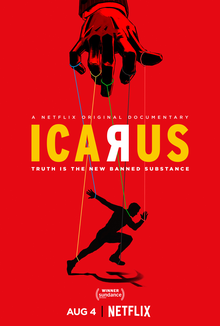
I have zero interest in sports so a documentary about doping in the world of cycling is hardly something that I’m likely to get excited about. However while this was director Bryan Fogel’s original plan for his film, subsequent events played out in a way that must have been far beyond anything he could have predicted, and so he seemed to have pivoted his film in response. The result is a riveting watch that tests the boundaries of what documentaries are supposed to be.
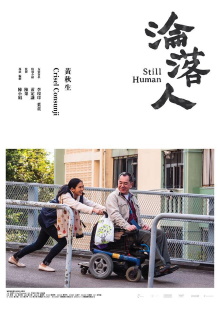
This title instantly raced up to the top of all of the critics’ lists of best Hong Kong films last year, making it practically required watching. It’s the feature film debut of its director Siu Kuen Chan who raised the production budget from winning a government award. It does star Anthony Wong but that was only possible because the veteran actor generously agreed to work for free. Unfortunately this is another one of those cases in which the film’s aims are laudable and speaks well of the director’s intentions but is really not a good film at all.
This anime recommendation was from a popular Malaysian forum whose tastes in film I usually find execrable. I decided to give this a chance as it has decent reviews. Initial impressions based on its cast of stock high school characters and a very generic story within a story seemed at first to point towards a middling film but it soon turned out to be subtler and more intelligent than I had suspected.
While there is some historical basis for the events depicted in this film, it’s probably best to think of this as fiction that is only loosely inspired by history. The plot is straightforward enough but this film is shot in such a quirky, disorienting style that I immediately wondered who the director is. It turns out to have been directed by Yorgos Lanthimos who shot to fame for the near-indecipherable The Lobster.
I didn’t notice after the film that this was directed by Paweł Pawlikowski who know of from Ida. In retrospect it should have been obvious as the crisp, black and white images here are definitely similar to that of Ida which can truly be described as being every frame a painting. Unfortunately while being excellent in terms of production values, Cold War is inferior in every respect and its title is somewhat misleading.
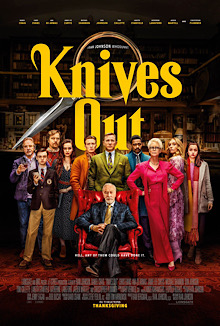
This is a film that wasn’t on my radar at all and I noticed it only when our cinephile friend mentioned that it has been earning great reviews. It has an ensemble cast made up of some big names, but as a non-franchise film in a genre that is now very unpopular, it seems doomed to mediocrity. Yet it is has been doing very well and it just might be popular enough to spark a revival in the much neglected murder mystery genre.
This title marks not just the directorial debut of Taiwanese singer Rene Liu and is also Netflix’s first original Chinese-language film. It also has a 100% rating on Rotten Tomatoes, mainly because so few accredited critics have reviewed. Still I wasn’t expecting too much as I had it pegged as a sappy love story and that turned out to be precisely what it is.