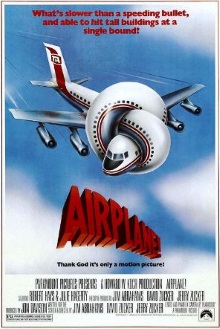
Over the years I’ve watched and enjoyed many of the most popular parody comedies including the Naked Gun series and the Hot Shots movies but I’ve never watched Airplane!. What these shows have in common is the creative team of Jim Abrahams, David Zucker and Jerry Zucker. Airplane! was the first and, judging by how it often pops up near the top of lists of the best comedies of all time, the best of these parodies.
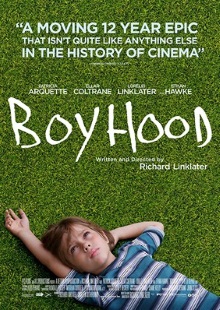
Ever since I heard about this project, I’ve been waiting for it with a great deal of anticipation. Both my wife and myself are huge fans of the Before Sunrise trilogy and filming a story of a boy growing up over a span of twelve years intuitively feels like such a natural extension of that work that Richard Linklater is sure to excel at. The ambition alone of following the same cast, including child actors, across such an extended span of time impressed me greatly.
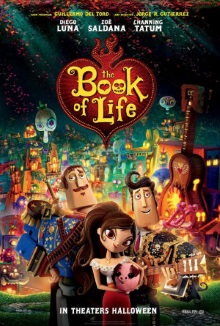
After a few fairly heavyweight films, I thought we’d take a breather with some lighter, more recent fare. Although it’s distributed by 20th Century Fox, it was made by a newish animation studio called Reel FX and appears to be the first major feature made by its director Jorge Gutierrez.
The latest television series we’ve been watching has been this groundbreaking science-fiction series from the UK. Like Sherlock, it isn’t a series in the normal sense. There are only two seasons so far and each season has only three episodes each, with the first season originally airing all the way back in 2011. Plus there is a extra long Christmas special that just aired on the Christmas of 2014. So there isn’t much of it and it took them a long time to produce the content.
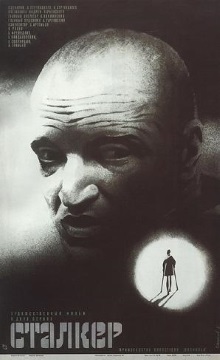
As a fan of the STALKER videogames who went on to read the novel Roadside Picnic, I’ve been looking forward to watching this film for a while now, especially given director Andrei Tarkovsky’s glowing reputation. Our cinephile friend in particular thinks highly of Tarkovsky’s work and has recommended this film to us in the past.
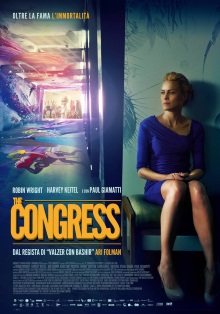
Director Ari Folman is best known for Waltz with Bashir, an unnerving personal documentary of the Sabra and Shatila massacre done, done entirely in animation. The Congress is his latest work, a film combining live-action and animation and in which Robin Wright plays a version of herself as an aging actress who agrees to be scanned in order to make a digital copy of herself. Needless to say, this makes it a must-watch in my book.
This is the last of the selections from the course list, bringing us into the modern era of Hollywood. Those who have followed along so far will note that I seem to have a skipped a couple of movies. We’ve previously watched the classic Adventures of Robin Hood and I didn’t feel it necessary to rewatch it. As for All That Heaven Allows, I’ve already written a post about it here.