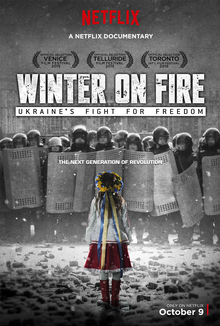
Even if it weren’t important enough before, this documentary became practically required watching after the full-blown Russian invasion of Ukraine beginning last year. I kept putting it off because I felt that I’d already read up enough on the events. Finally watching it really helped establish in my mind just how long the entire Euromaidan protests lasted and how difficult it must have been to sustain that level of commitment in the face of every obstacle the government put in their way. At the same time, this documentary feels insufficient and incomplete. It strictly restricts itself to the protests centered around Maidan Nezalezhnosti and to the perspective of the protesters. There’s nothing at all about what was happening elsewhere in Ukraine at the time or of about the politicking behind the scenes so when the protesters finally win, it’s an abrupt and almost inexplicable shock.
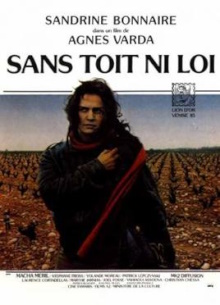
Agnès Varda’s films never disappoint and even though this was one of her later works, it’s still amazingly good and brutally unflinching in its portrayal of a wandering vagabond. The title in French is far better and really captures the spirit of the main character. I love how she is defiant and rebellious to the end, even towards the people who are trying to be kind to her. Yet this is far from being any kind of romantic ideal as Varda shows right from the beginning as the corpse of the main character is discovered, having frozen to death in a ditch.
Tár is widely considered a film that was badly overlooked in this year’s Academy Awards with Everything Everywhere All at Once sweeping all of the categories that it should have won instead. This is of course the much more sophisticated film and it’s brimming with subtleties and masterful performances. Yet it’s also such an ambiguous work, and so unevenly paced and full of odd details in a way that I can hardly believe is intentional. I really wanted to like this but I’m not sure that I actually do.
Greg Egan is still my favorite science-fiction writer and I’m glad to see that he is still producing work. Even so his more recent work has been disappointing and this one with a length somewhere between a novella and a novel, is so underwhelming that I find it impossible to recommend to anyone. It’s still a quintessentially Egan story in that longtime fans will immediately recognize what it is in here that interests him but it’s such a narrow conceit that it’s hard to imagine many people would be similarly enthusiastic and Egan fails to develop an interesting story around it.
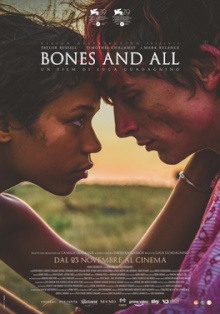
This being a film by Luca Guadagnino and once again starring Timothée Chalamet, I thought for sure that this would be a serious drama. So I truly was shocked by the sudden turn to cannibalism. We’ve seen this work already in Raw and thankfully Guadagnino isn’t trying to do quite the same thing. Yet while the production quality here is gorgeous and features great acting, I struggled to find a coherent theme that brings the whole film together while not doubting that Guadagnino does intend for there to be some meaning. In the end, it seems to come down to eating the ones you love and that’s just so banal and shallow.
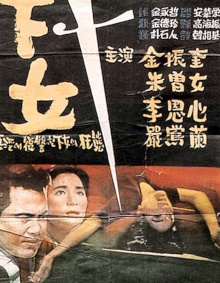
This is apparently considered one of South Korea’s greatest films and is highly regarded internationally. Surely that’s a good enough reason to watch it, yet having done so I can’t see what’s so great about it at all. I think it’s melodrama, ramped all the way up to eleven and given a horror twist. There are some bold choices such as how deeply the children are involved in a drama involving adult themes. Yet I find myself unable to look past the deeply rooted misogyny at its heart and the predictable soap opera style drama in practically every one of its scenes. I hated it and it reminded me why I don’t watch Korean dramas in the first place.
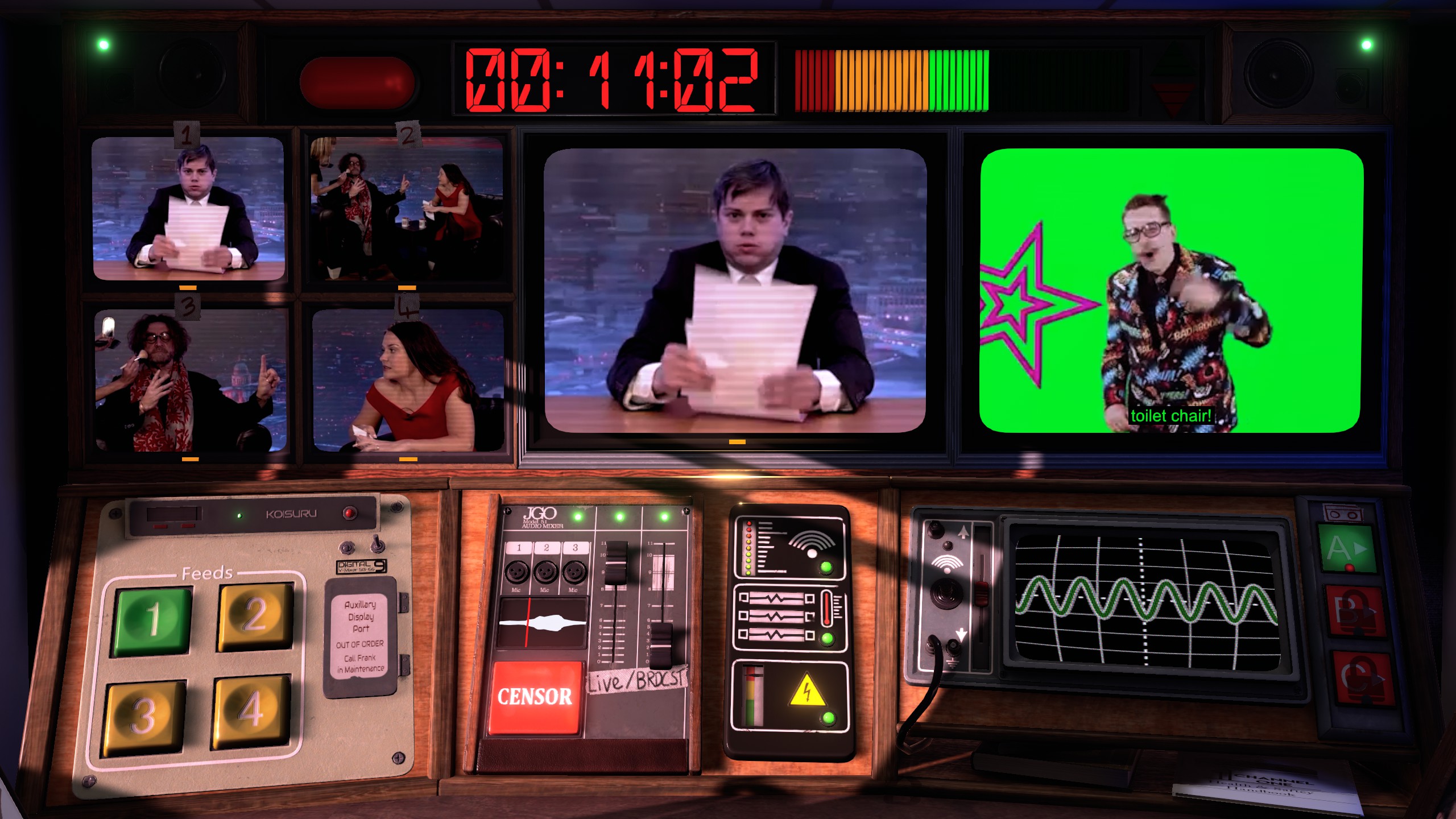
Once upon a time, I trained as a journalist so news video editing is actually the kind of thing I’m supposed to be able to do. So when this game which puts you in the chair of the editor of a news program came out, I just knew I had to play it. A full playthrough isn’t really supposed to take very long but I agonized over improving my score and rewatched the full broadcasts and the rushes, so I took much longer than necessary. I felt unnecessarily stressed about doing a proper job, was enthralled by the emerging stories of all of the characters and, needless to say, had a great time.