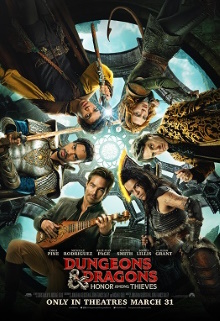
People have tried to make live-action Dungeons & Dragons films before and the results were not great. More than a decade later the game itself is more popular than ever thanks to YouTube videos and this feels like an underexploited franchise. This revival is instantly recognizable as being far more successful even from its trailers. It’s easy to see why: it appropriates the Marvel formula of combining action with humor and of taking the lore seriously while not obligating casual viewers to study up on it to enjoy the film. Needless to say, I’m all for it and I’d love to more fantasy films made in this style.
I think this will be the last of the films of Yasujirō Ozu we’re going to watch. It’s as highly rated as the rest but is considered one of the director’s darkest films. Indeed if you’ve been frustrated by how the characters in Ozu’s films maintain their reserved demeanor and never break down despite their difficulties and stresses, this is the film for you. I don’t like this as much as the director’s other films. Perhaps this isn’t the most comfortable space for him to explore after all and even tries to end with a moralizing lesson. Still it’s a very strong film and it gives you a look at Ozu’s regular cast playing characters a little outside of their usual range.
I put this on my list because I wanted to watch a definitive and faithful adaptation of the play. I’m no expert on Shakespeare but this version does seem plenty authentic to me down to casting leads who are closer in age to the characters as originally intended and having the men wear ridiculous looking tights. Romeo and Juliet hasn’t been considered anything close to an admirable love story for a while now but watching this really drove it home for me what a terrible example the couple are. Shakespeare’s writing still shines even though the plot is dumb and it’s very satisfying to recognize how the lines here are reused just about everywhere.
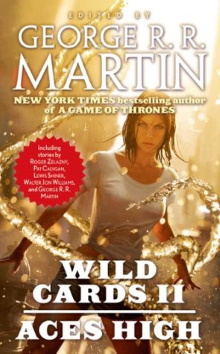
I discovered the Wild Cards series back when I was still in high school and of course this was also before George R.R. Martin became a household name. Being also a comic book reader at the time, this series ticked all of the right boxes for me: it had superheroes, it wasn’t afraid of adult themes and featured characters who had to deal with complex psychological issues, and its storylines tied in with real world news and US-based politics. Being a fan of this series made me feel all snobbish about how sophisticated I was. I eventually bought the books up to the seventh volume but I was missing the second book that I was never able to find. I could infer the events in it from what I read in the subsequent volumes yet every once in a while I would still recall that I never managed to read this. Now with the entire series available on Kindle, I thought I’d remedy this little hole in my life.
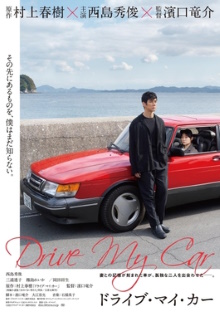
I’ve never watched a film by Ryusuke Hamaguchi but in 2021 he shot to prominence by releasing two critically acclaimed film practically back to back. It took a while to get around to watch this, it being a three-hour film and I’m very glad when I did. This is exactly the kind of quiet, contemplative film that I like and it’s even a chance to get to know the work of Haruki Murakami a little. I don’t actually remember much of Vanya on 42nd Street but I did find it useful to understand a little more about the play at it center. I really enjoyed how dense this is with stories, meanings and subtleties.
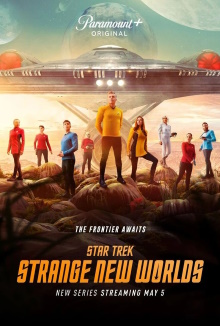
Despite being a huge Star Trek fan, I’ve eschewed all of the newer live-action series and I’ve even decided to skip Picard because of how bad the reviews are and how people kept saying they’re not really Star Trek. I made an exception for Lower Decks which took the franchise in a different direction while still being in keeping with its spirit and now we have this series which is as pure original Star Trek as anyone could imagine. If anything this is a little too faithful as along with the idealism it also brings back a simplicity that is just too childish for my tastes these days. I enjoyed watching this season but I’m not sure I’m up for more.
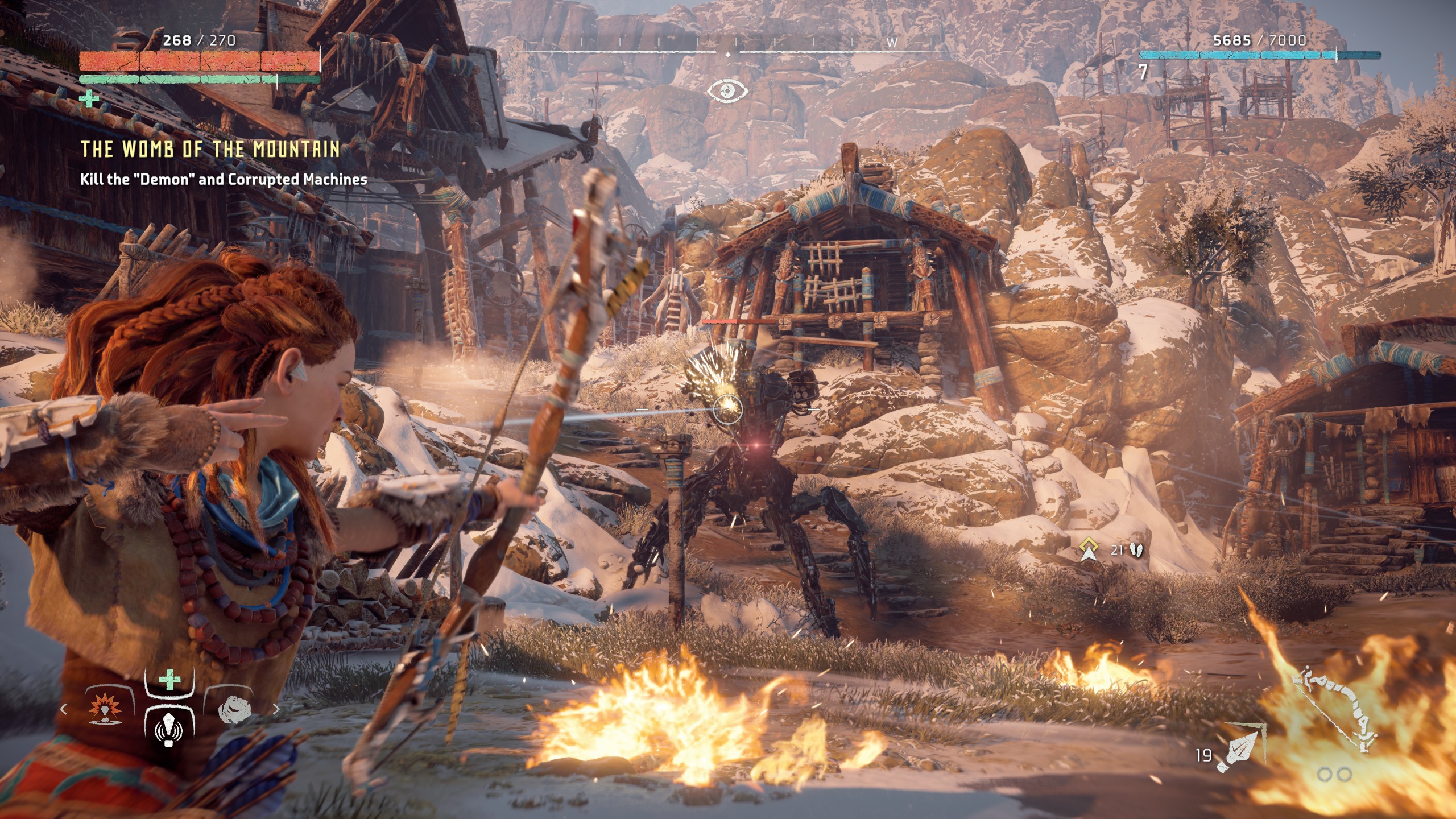
What’s it say about how far back my backlog dates that I’ve only gotten around to play this at a time when even its sequel is already old news. It’s not quite as bad as that since the Complete Edition I’m playing was only released in 2020. Still, it’s pretty bad and it means I have to be a lot more discerning about what I add to my to play list. As far as I’m concerned, this game looks pretty amazing still playing it now. In my opinion, it’s a fantastic, very well-rounded game and I would have absolutely loved it if I had come across it 10 years ago. Even now, I think it’s really good, yet I played too many open-world games by now to be impressed by its world and yeah, over the month I’ve actually been more engrossed in playing around with ChatGPT than this.