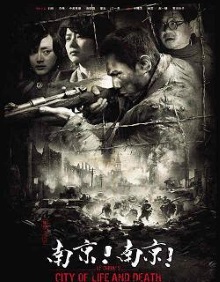
The Nanking Massacre is well known as a rallying call for Chinese nationalism and a sore point of contention in Sino-Japanese relations. Given the prickliness of Chinese pride in recent years, it was always doubtful that China could be capable of producing an even-handed account of the tragedy. City of Life and Death however has been excellent reviews by a number of foreign critics so I thought it might be worth watching.
The Coen brothers have a mixed track record for me. I included No Country for Old Men in one of my lists of favourite films, thought Raising Arizona and Burn After Reading were great fun, but couldn’t really connect with O Brother, Where Art Thou? Since Inside Llewyn Davis is another music film, I guess it’s not too surprising that I ended up not liking it very much either.
Since I started paying more attention to the films that I watch and taking them more seriously, I like to believe that I’ve learned a thing or two about films. But then along comes something like Jim Jarmusch’s The Limits of Control which leaves me thinking that I know nothing at all.
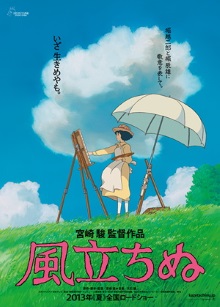
Since The Wind Rises is not only a Studio Ghibli release but also supposedly Hayao Miyazaki’s last film (though this is doubtful since he has repeatedly announced his retirement and then reneged on it), there was zero doubt that we would eventually watch this. This film has also attracted considerable controversy since it could be interpreted as being laudatory towards a man who helped build Japan’s war machine during the Second World War. This of course only makes it even more of a must watch.
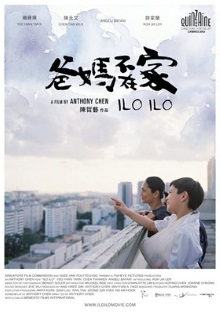
This film was Singapore’s submission for the 2013 Academy Awards for the Best Foreign Language Film category. It is also the first Singaporean film to win an award at the Cannes Film Festival, bagging the Camera d’Or award meant for début directors. This makes it the highest profile Singaporean film of recent years. I was particularly curious about how it stacks up compared with The Journey, arguably its closest Malaysian equivalent.
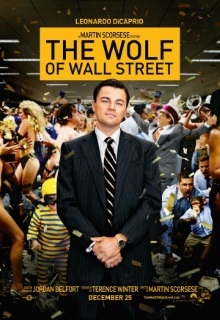
All indicators point towards The Wolf of Wall Street being an excellent film. It is the fifth collaboration between Martin Scorsese and Leonardo DeCaprio. It is based on the real story of the colourful life of Jordan Belfort. It was nominated for multiple Academy Awards. After being impressed by Margin Call, I looked forward to watching another good film depicting the finance industry. Unfortunately, it turned out to be something of a dud.
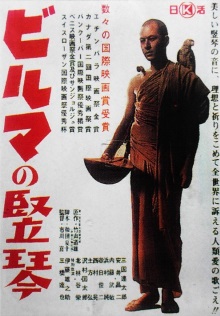
This one was a pick by my wife who had heard about it as a notable film about Buddhism long ago but had never seen it. It is apparently quite highly regarded, being a nominee for the Academy Award for Best Foreign Language Film during the first year that the category existed. Note that I’m going to be more spoilery than usual partly because this is such an old film but mostly because it’s hard to say anything worth saying about it without revealing much of the plot.