Despite reading tons of news, I’ve never been a regular reader of The New Yorker. At most, I’d read some particularly noteworthy article when it goes viral and gets shared widely. But this caught my wife’s attention as she’s a writer herself so why not. As the title indicates, this is a documentary commemorating the 100th anniversary of the magazine. Unfortunately they hype up the anniversary so much that it’s off-putting. Nor is getting celebrities to talk about the significance of the publication itself terribly interesting. What does work is highlighting the few special articles that has since gone down in history. The magazine itself may be great but this film about it is merely mediocre.
The last entry for the year is again dominated by the life sciences but I like how they’re broad findings. Feels like a neat way to summarize the year.
What better way to show this than with a large, comprehensive study on the effects of the COVID-19 mRNA vaccines? Harping on the subject feels like a beating a dead horse yet it’s still needed due to widespread public skepticism and misinformation. This is a French study covering 22.7 million vaccinated individuals and 5.9 million unvaccinated individuals over a period of 45 months. They found that vaccinated individuals had a 74% lower risk of death from severe COVID-19 and no increased risk of all-cause mortality. As the authors note, this doesn’t eliminate all possible risks but it should be enough to address most reasonable ones and put an end to vaccine hesitation. But we all know that it won’t.
Next is another large-scale project which will only slowly yield dividends over time. It’s an effort to map the genetic landscape across 14 psychiatric disorders to find the genomic factors that they might have in common using data from over a million patients. The team found that there is pervasive genetic overlap across these disorders. They also found that schizophrenia and bipolar disorders have high levels of polygenic overlap. Other distinct groupings are compulsive disorders, internalizing disorders such as major depression, anxiety and PTSD, substance use disorders and neurodevelopment issues such as autism and ADHD. This suggests that rather than relying solely on symptoms to diagnose psychiatric disorders, it may be possible in the future to investigate the shared biological roots of these issues.
We do have one bit of science news this month that is space-based and it too comes down to the biological sciences. The findings are from analysis of samples taken from the Bennu asteroid delivered to Earth by NASA’s OSIRIS-REx spacecraft. Among the discoveries made five-carbon sugar ribose and six-carbon glucose. Along with the lack of deoxyribose, it suggests that the buildings blocks of biological molecules were widespread throughout the solar system and that the first forms of life relied on RNA. Other findings include a strange, gum-like substance and abundant supernova dust from the asteroid. The latter indicates that the parent body of the asteroid formed in a region enriched in the dust of dying stars.
We end with an article that updates our understanding of how dogs developed their close relationship with humans. One finding leverages data from the dog and wolf skulls spanning the past 50,000 years to determine that the distinctive shape of dog skulls first emerged about 11,000 years ago and that there was a large diversity in the shapes of dog skulls from that period. This suggests that the wide range of shapes and sizes dogs have today isn’t solely a product of the human-led selective breeding programs. The second finding focuses on humans and dogs in Eastern Eurasia, using genomic data to match shifts in the ancestry of dogs with the movement of specific human groups. They found that while the dogs of different human cultural groups moved together with them, there was also evidence that the humans traded their dogs with one another, leading to a shift in the ancestries of the dogs with them.
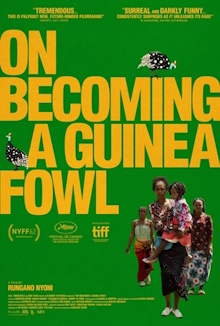
It’s a little petty of me but every time I watch a film from a new country, it’s like crossing off a number on my Bingo card. I’ve certainly never watched any film from Zambia before and this is a good one. Taking place against the backdrop of a funeral, it’s another film about how women are oppressed as we’ve just saw in The Great Indian Kitchen. But it’s even scarier here as the patriarchy is enforced by the elder women of the family. It starts out being funny in a very surreal way but towards the end, it’s just hopelessly depressing.
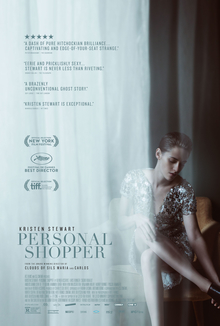
Olivier Assayas and Kristen Stewart made this shortly after the excellent Clouds of Sils Maria. I skipped it at the time because its reviews were only middling but I’m come back because the trajectory of Stewart’s acting career continues to be impressive. Unfortunately it turns out that the reviews were right. Combining a ghost story with that of a personal shopper for a celebrity is certainly unusual but I kept waiting for some connection to appear which never arrives. The film plays the usual games of ambiguity with the supernatural and that’s not satisfying either. Stewart’s performance here is impressive. Little else about this film is.
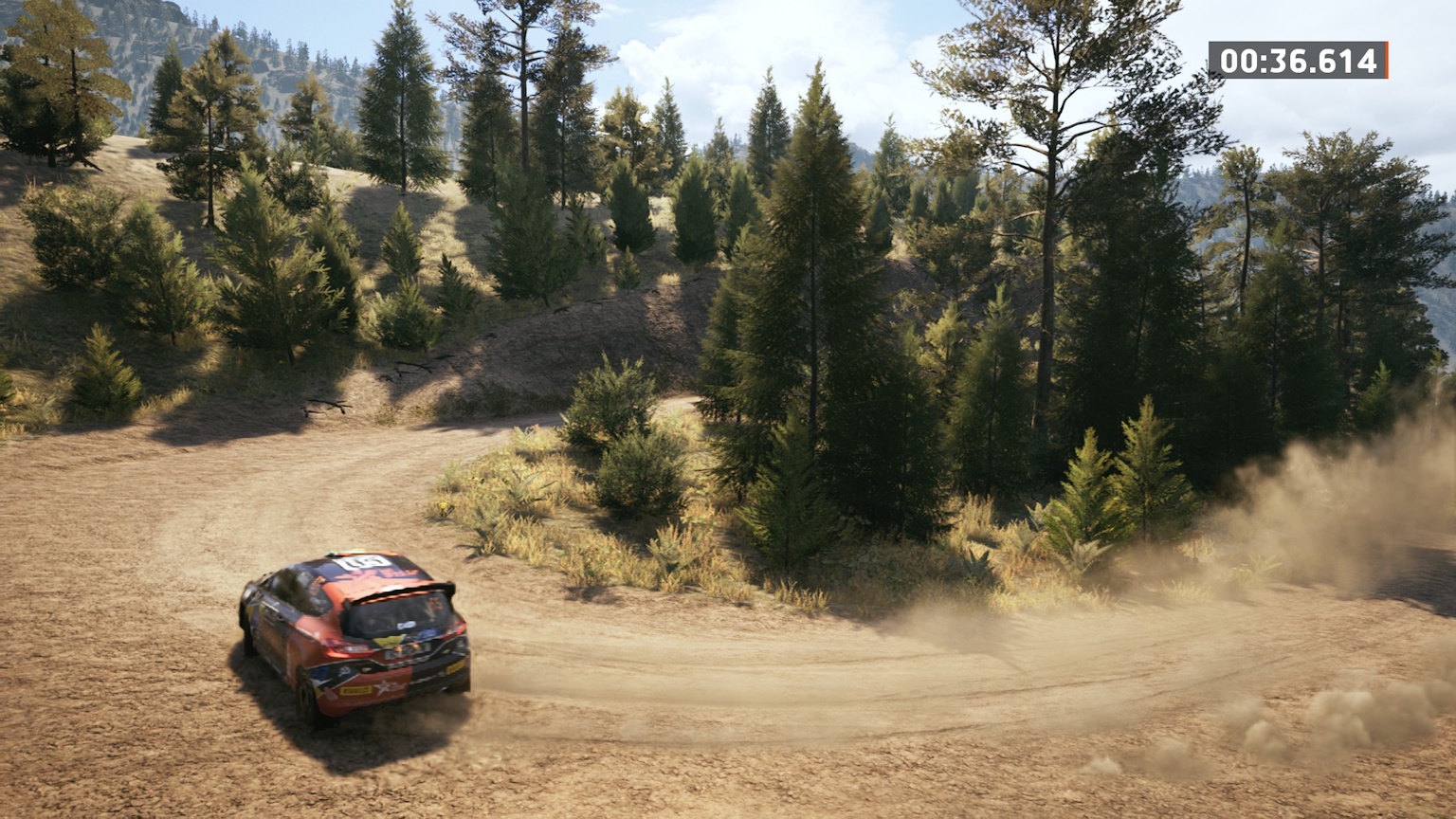
Codemasters acquiring the official World Rally Championship license effectively killed off the Dirt franchise in favor of this game as its successor. As a huge fan of rally games, I was going to play this but before I could get around to it, fans and the market collectively decided that it’s a dud and so the attempt to kickstart a whole new series of games died before it could properly get off the ground. Indeed, I’ve found myself that while it is able to feature the latest rally cars due to the WRC license, it is markedly inferior to its predecessor in many respects including graphics, sound and perhaps even personality.
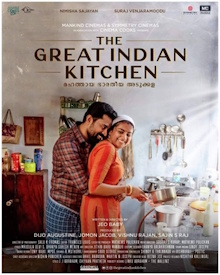
This immensely successful and popular Indian film has been remade multiple times in different languages. This original one is in Malayalam and was made by a director Jeo Baby and performers who were not that well-known at the time. I have little patience for misery porn these days and the great genius of this film is that while it highlights the continued oppression of women in India, it refrains from maximizing the wife’s plight in every way possible. The people around here are not deliberately cruel but merely acting how they believe to be right, as dictated by religious, gender and cultural norms. From this, a thousand small humiliations add up to an intolerably miserable existence for the wife that is all the more believable for how mundane it is.
Frieren is one of the most popular anime shows of the moment and was a recommendation from our cinephile friend a while back. We were feeling burned out by the general lack of seriousness in anime and so passed on it. I do rather like the premise of it being about an immortal mage who lives on long after everyone else she has known has died. Watching this now, I loved the early episodes with their theme of loss and time passing. This feels like a markedly more mature anime with less need to resort to dumb gags or provide fanservice. Unfortunately it does drag on too much and risks degenerating into the more usual fare.