This was the other film by Ryusuke Hamaguchi that was released in the same year as Drive My Car to similar critical acclaim. It’s anthology of three stories, all written by the director himself and all featuring a very feminine perspective. They’re very talky stories about romantic entanglements, unusually so for a male director, and it’s true that they are exceptional in drawing the viewer in and holding your attention. Still the situations are sometimes very contrived and it’s distinctly inferior to Drive My Car. It’s not bad, but not really what I like either.
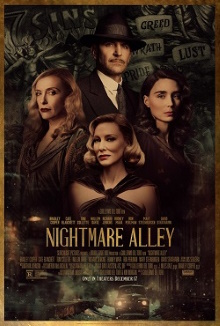
This really counts as a remake since there was already a 1947 version adapted from the same book and they seem quite similar. You can tell from the subject matter how this is a good fit for Guillermo del Toro and it does a fantastic job of immersing the viewer in the world of carnivals. The film gets less interesting once the protagonist leaves the carnival with the main plot being rote and predictable. It’s lifted straight from the novel of course but it’s old fashioned and traditional that it would have been better to come up with a more modern twist.
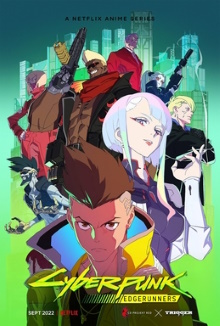
I haven’t played Cyberpunk 2077 yet because my current computer probably isn’t powerful enough to run it. But I actually own the pencil and paper Cyberpunk 2020 role-playing game so it’s kind of crazy to think that I’m watching an anime adaptation of it thirty years after I had this book in high school. This adaptation has a rather straightforward storyline and I can’t say I like the protagonist’s motivation being about getting a girl. Still it nails the dystopian, life is cheap and meaningless theme of the cyberpunk genre perfectly and the hectic visuals capture this vibe well.
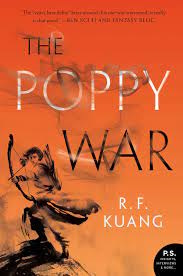
R.F. Kuang’s name has been making the rounds lately due to her new novel Babel which critics have been talking up. She’s a Chinese-American writer whose work is new to me and browsing through her published work I was more intrigued by her debut novel. It’s set in a fantasy version of China that is weakened by internal disunity and widespread addiction to opium. It follows the story of a female young orphan who enrolls into the country’s top military and in that sense feels similar to many of the webfiction series around today. Unfortunately while I liked the worldbuilding and the early parts of the novel, to me, it goes off the rails as the action picks up and turned me off completely. I will not be reading the sequels of this trilogy.
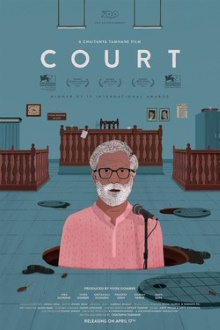
We’d previously watched The Disciple by director Chaitanya Tamhane but I’d actually encountered his name before that. This older film was hard to find and so it took me until now to watch it. I’m very glad I persevered and kept it on my to watch list because this is one of the best films I’ve seen recently. Not only is this a revealingly honest depiction of the court system in India, it also provides a window into the lives of the people of different social classes who are embroiled in this case. I am simply in awe of the richness of the themes touched upon here and how it has so many moving parts and so many characters, yet everything fits together perfectly.
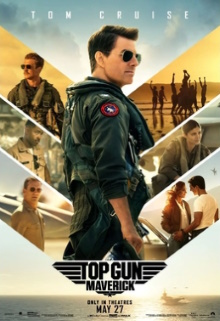
I had no interest in watching this until I read the now famous interpretation that Maverick died in the opening scenes and the rest of the film essentially depicts his heaven. Sure enough this is such an apt interpretation that it’s impossible to view this film in any other way, particularly near the end when it abandons any semblance of realism. Yet this is produced so slickly, plumbs the nostalgia well so effectively and is overall so unabashedly positive that it’s infectiously likeable and entertaining. I think it’s a dumb film and I don’t want to like it, but damn if this doesn’t manage to win me over anyway.
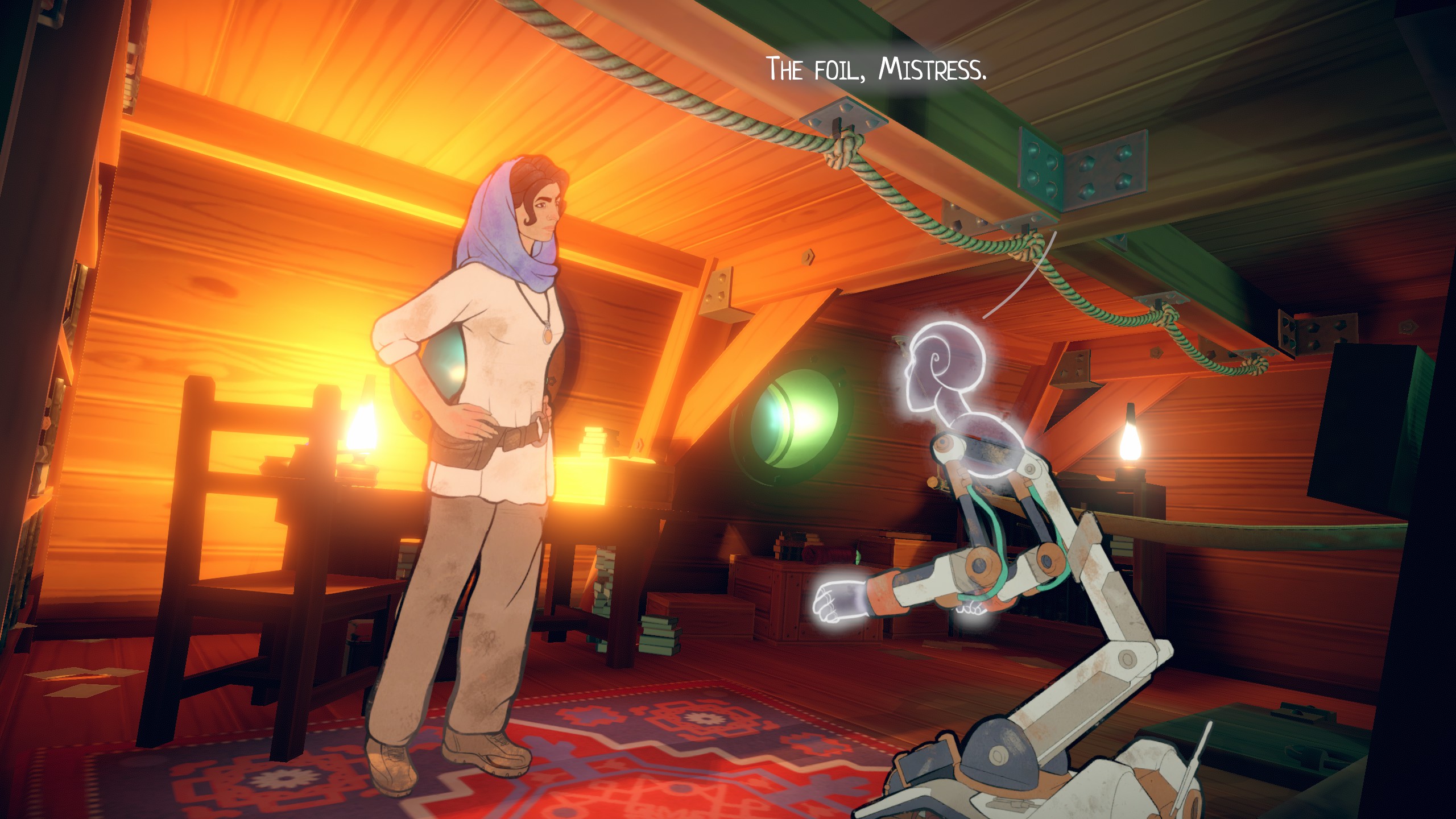
80 Days was such a unique game that I still think of it from time to time years later. So when the developer Inkle made a game that has you play as an archaeologist and the primary gameplay mechanic involves deciphering a language, I was all over it. In practice, the invented language seems too directly translatable into English to be plausible and the protagonist Aliya is a rather poor archaeologist. There’s nothing else like this game though and it is very satisfying to uncover the history of civilization of the setting so I’d still count this as a success.