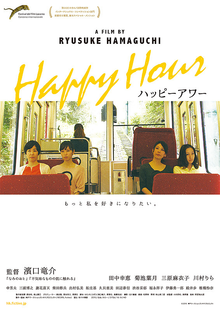
This one has been sitting in my list for a while now but it was quite difficult to find a copy of it. With a running time of more than five hours, it’s also easily the longest film we’ve ever watched. It’s not an experimental film either so its long running time isn’t a gimmick. It’s legitimately a drama about four middle-aged women and justifies every minute of its time. However we did need to watch it over several days.
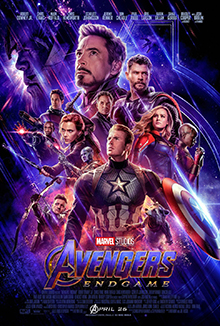
So I was planning on holding off of watching this for a while to avoid the early crowds but there’s way too much spoilery information floating around the Internet to make that feasible. Fortunately there are so many screenings that it wasn’t overly crowded. At the end of it, in a nutshell, this is indeed a near perfect culmination of all that has gone into the MCU and fully justifies every moment of its epic length.
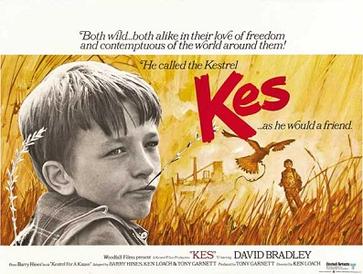
Our previous experience with a film by Ken Loach, I, Daniel Blake did not leave a favorable impression. He is a highly lauded director however so I did want to try one of older works. Kes is in fact his second feature film though he had done plenty of work in television before this. This is in a word fantastic. It is authentic and completely grounded in the period it is set in.
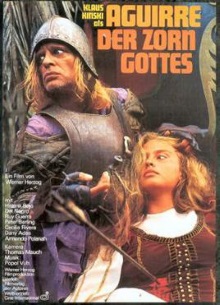
Over the past several years, we’ve made a pretty decent go at sampling at least a little bit of the oeuvre of each of the great directors of cinema. One especially notable omission has been German filmmaker Werner Herzog so this one is probably his single best known film. This is the first Herzog film I’ve seen but there will likely be many to follow.
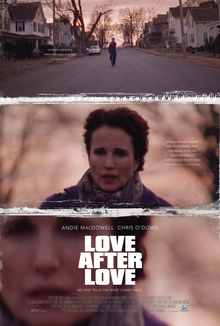
This is a small independent film that is its director, Russell Harbaugh’s, debut. It’s been a long time since we’ve seen Andie MacDowell in anything but at the age of 60, she is a reasonably attractive woman and this film actually makes use of that. Unusually the male lead is her character’s son, played by Chris O’Dowd, making this about a dynamic between an adult mother and her son that we don’t often see.
This is an unlikely pick for a television series to watch. We’d watched the very first season of American Horror Story long ago and none of the rest. Our cinephile friend suggested it to us and I can see why he did due its excellent production values and execution. Still I think horror stories work best in shorter formats as they inevitably break down when scrutinized too closely over the course of longer forms of fiction. This show actually makes for an excellent case study of this truth.
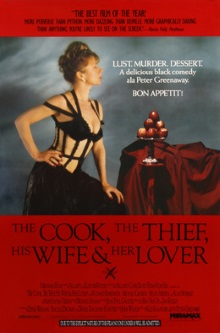
This is a better known film by Peter Greenaway and I’d bet most people watch this one earlier than The Baby of Mâcon. It is very recognizable made in the same style down to similar fonts used in the titling but is far more comprehensible. It doesn’t try to hide the fact that it’s all filmed on a stage but neither does it pretend to be a play.