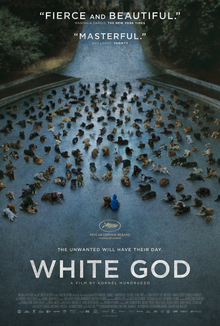
Since I started watching films more seriously, there is a temptation to eagerly latch on to anything exotic and treat it as if it were an artistic work. I read about this on Broken Forum, noted that it was shown the the Cannes Film Festival and has a suitably high Rotten Tomatoes. I knew nothing else about it other than that it was about dogs but it seemed like a respectably artistic film. Of course, the truth is that just because it was made in what is to us exotic Hungary doesn’t automatically mean that it’s good.
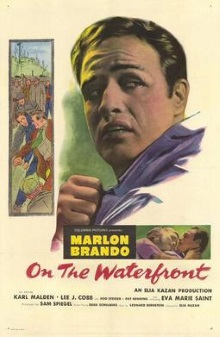
Going back to the well of classic Hollywood films, here is one that was directed by Elia Kazan and stars Marlon Brando. We’ve already watched the earlier A Streetcar Named Desire that the two also worked on and loved it so I was hoping for more of that magic. Though ostensibly about mobsters who have taken over a union of dock workers, this film can also be read as Kazan’s response to his critics over his willingness to cooperate with the House Committee on Un-American Activities to root out suspected Communists in Hollywood.
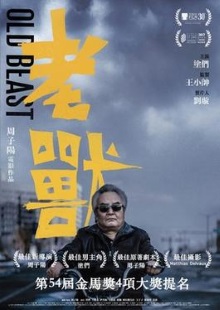
This one is another Chinese film that has garnered a fair share of plaudits and its the debut film of its director Zhou Ziyang. Interestingly, it is set in the city of Ordos in Inner Mongolia, the same city that some years ago was paraded about in the Western press for being a prime example of China’s overbuilding spree, resulting in empty streets and buildings. I’ve read however that since that enough people have since moved to make it, if not exactly a thriving city, at least a real one.
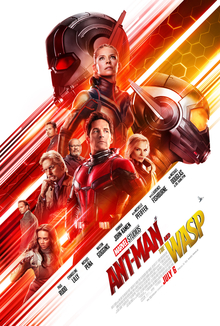
I’m once again back for the next MCU film and this time I had been looking forward to it, having liked the first film so much. This one is pretty much a standard sequel with all the same people involved except that the heist film template has been replaced with something simpler and, sadly, less interesting. The upshot is that the Wasp has now been upgraded to being a full peer and indeed director Peyton Reed has her doing all of the kickass stuff while Ant-Man is more or less her assistant.
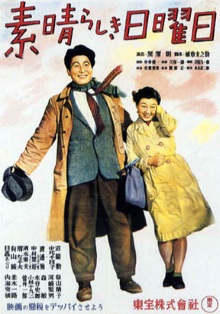
I like to think that we’ve made a decent start at working through Akira Kurosawa’s most famous films but here is something completely different. Though the director is best known for his period samurai films, his filmography is wider than that. This one, made immediately following the end of the Second World War makes for a great example and it reveals a side of the director which isn’t evident in his later epics.
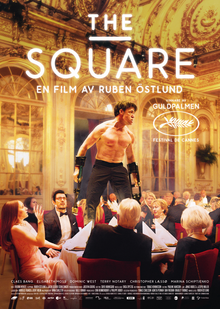
Ruben Östlund was the director who made Force Majeure, a film that both of us liked and has remained fresh in our minds. The Square is the first film that he has made since then, suggesting that he takes his time with his projects and it won plenty of accolades and awards. Though this is a Swedish film, it features two recognizable Anglo-Saxon stars, Elizabeth Moss and Dominic West who speak only English in their performances here.
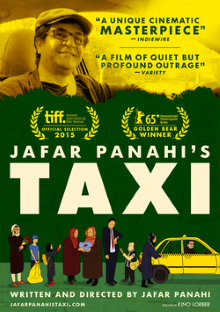
Our only previous experience with films by Jafar Panahi was the impressive but difficult to watch This is Not a Film, notable mainly in how it showcased his determination to continue to make films despite a 20-year ban on such activity imposed by the Iranian authorities.