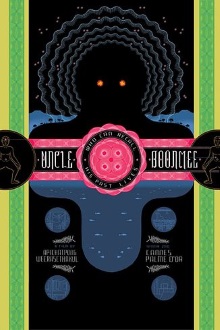
Here we have the first film from Thailand to be covered in this blog and it is by a director whose name I must confess that I will never be able to remember Apichatpong Weerasethakul. There is little doubt that this is a worthy film, it managed the impressive feat of being included in the Sight & Sound poll of the greatest films ever made. But it’s also an incredibly contentious film with many people who complain about it being impossibly boring and pointless. Just read the user comments on IMDB.
This one was originally launched as a KickStarter project. I didn’t back it but I did read up on it since many commented that it’s like playing a character in an episode of Star Trek. It’s billed as a sci-fi RPG set entirely within the confines of a ship but really since there is no character development system and the combat is so bad you should really avoid it as much as possible, I like to think of it as more of an adventure game.
I currently seem to have a disproportionately large number of Chinese-language films sitting in my watch-list. Part of this is due to just making up for lost time but I like to think that it’s also due to China’s growing prominence in the international arena and its greater ability to score successes in the global culture wars. In any case I think Dearest is an example of a film that a is a near ideal confluence of being topical as it’s about modern China, being good enough that it deserves to be taken seriously and yet remains accessible enough to achieve commercial success.
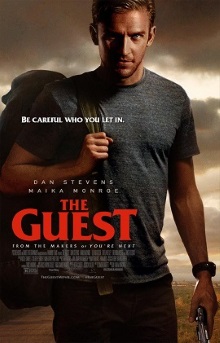
So it’s been a while since we last watched a horror movie. This one was added to our usual list because it got some decent comments on Broken Forum and a quick check confirmed that it has a rating of over 90% on Rotten Tomatoes. I’d never watched anything by director Adam Wingard but he appears to have a decent body of work. So it can’t be that bad, right?
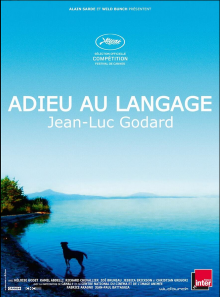
Adieu au Langage is the latest film by renowned French New Wave director Jean-Luc Godard. Even the fact that he’s still making films at the age of 85 is impressive. We’d watched his first and most famous film, Breathless, a while back and liked it but nothing else. This one however is a whole other level of obscurity and it’s hard to say what we got out of it.
Yeah, this is a weird pick, given my usual gaming preferences. Thing is, multiple people whose opinions I generally respect listed this as their best game of 2014. Plus I haven’t played a straight shooter for a while now, so here we are. This one plays it so straight that it’s downright anachronistic, without even a multiplayer component. That’s unheard of in this day and age!
The filmography for the Marriage and the Movies course that we took earlier this year included a couple of movies by George Cukor and I remember Jeanine Basinger remarking that she would have chosen more movies by this director if she could. So it’s a pity that this one wasn’t even mentioned and I had to learn on Wikipedia that this is considered a prime example of the “remarriage” sub-genre of marriage movies: in which the couple divorces, flirts with other people and then possibly get back together again. Apparently this trick was contrived to avoid tripping the Hays Code which disapproved of extramarital affairs being depicted on film.