My wife wanted to visit Kluang last week to attend a small arts event organized by local Chinese writers and artists. In particular, she wanted to listen in on a couple of talks, the first one featuring a trio of local writers and the second one by Tan Chui Mui. I hadn’t heard of her before this but she is apparently considered one of Malaysian’s greatest rising directorial talents, especially as a woman, by dint of winning a bunch of international film awards.
Paul Thomas Anderson is today considered one of America’s great directors. He was hailed as a wunderkind in the 1990s, his reputation forged by Boogie Nights and this very film. I note that through no active effort on my part, I have now watched almost all of his feature films that are released to date, which is pretty unusual for me. The only films I’m missing are his most recent one Inherent Vice and his debut film Hard Eight.
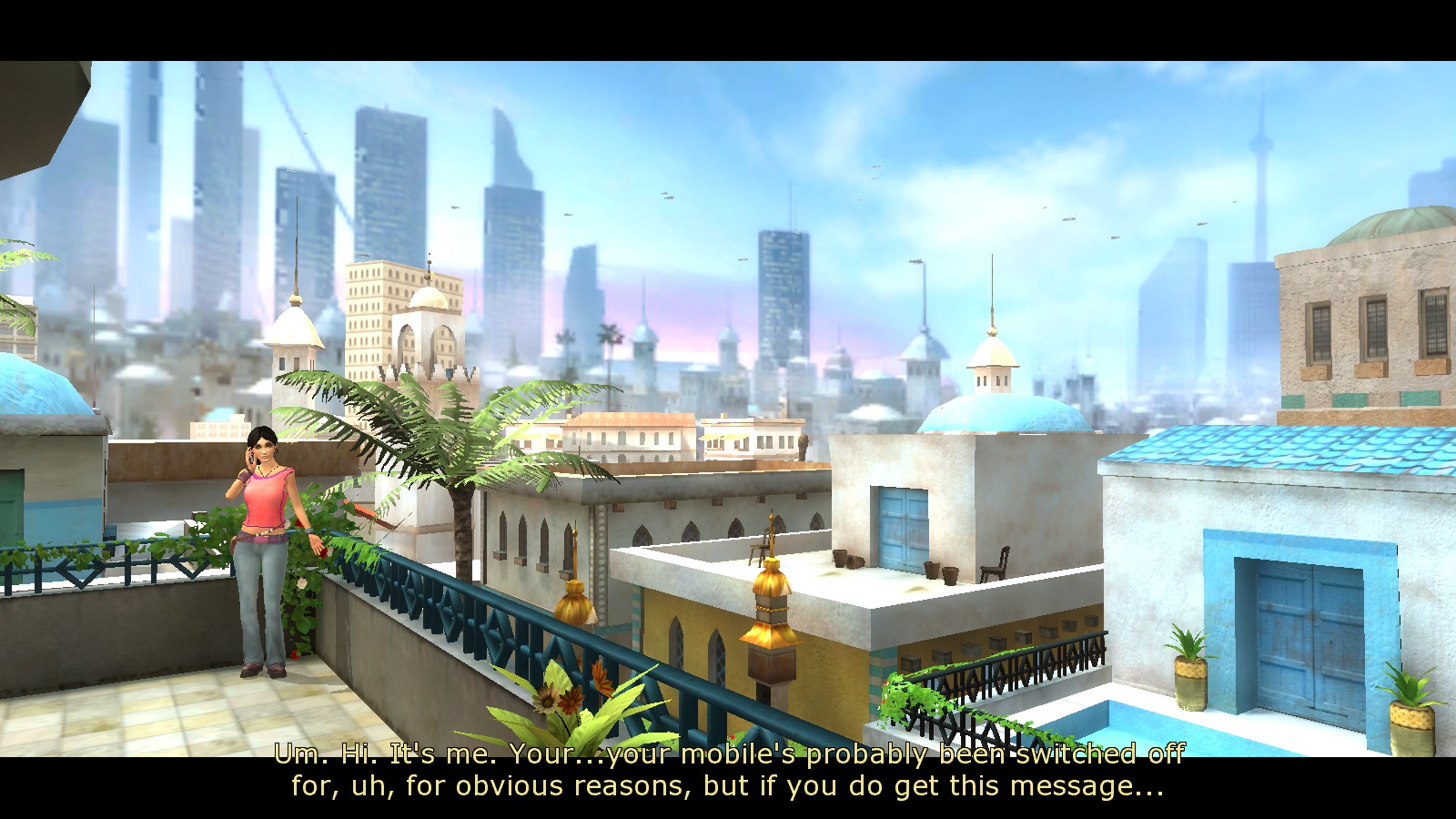
I’d bought this one as part of a package with The Longest Journey and I always play all of the games that I buy. I wasn’t terribly enthusiastic about it as my reaction to the first game was distinctly lukewarm but my completionist instincts insisted that I at least give it a go. It helps a great deal that even though it’s still dated by modern standards, the graphics are much better and gives a proper sense of wonder and awe to all of the places you find yourself in.
Algorithmic Thinking is the final part of what Rice University now calls its Fundamentals of Computing specialization on the Coursera platform. My previous posts about this specialization are here and here. This one is taught by Luay Nakleh, who also appears to be the newest member of Rice’s online team.
Paprika was directed and co-written by Satoshi Kon, an auteur that my wife seems to really like. Unfortunately he passed away only a few years ago at the young age of 46 and unless his uncompleted project Dreaming Machine is released, this film qualifies as as his final feature film.
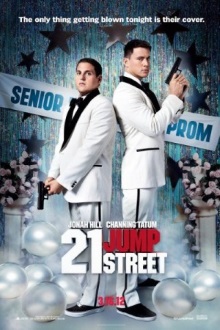
21 Jump Street was indeed one of the television shows that I watched as a kid, one familiar enough to me that I can’t still hear the theme song in my head. Still, when I heard about this film, my reaction was similar to that of Richard Roeper: I didn’t think it needed to exist. It seemed like one of those slimy cash-in projects that could be instantly dismissed, especially since it looked like it had nothing to do with the original show. Flash forward a couple of years later and I learn that this was successful enough to spawn a sequel. Interesting but not terribly surprising. But then as time passed, I realize something that is surprising. Word of mouth about 22 Jump Street is that it’s fantastic and the retrospective view of this first one is that it was pretty good too. Since I like so few of the modern American comedies that are made to be as dumb as possible, this seems like a good enough reason to give this one a whirl.
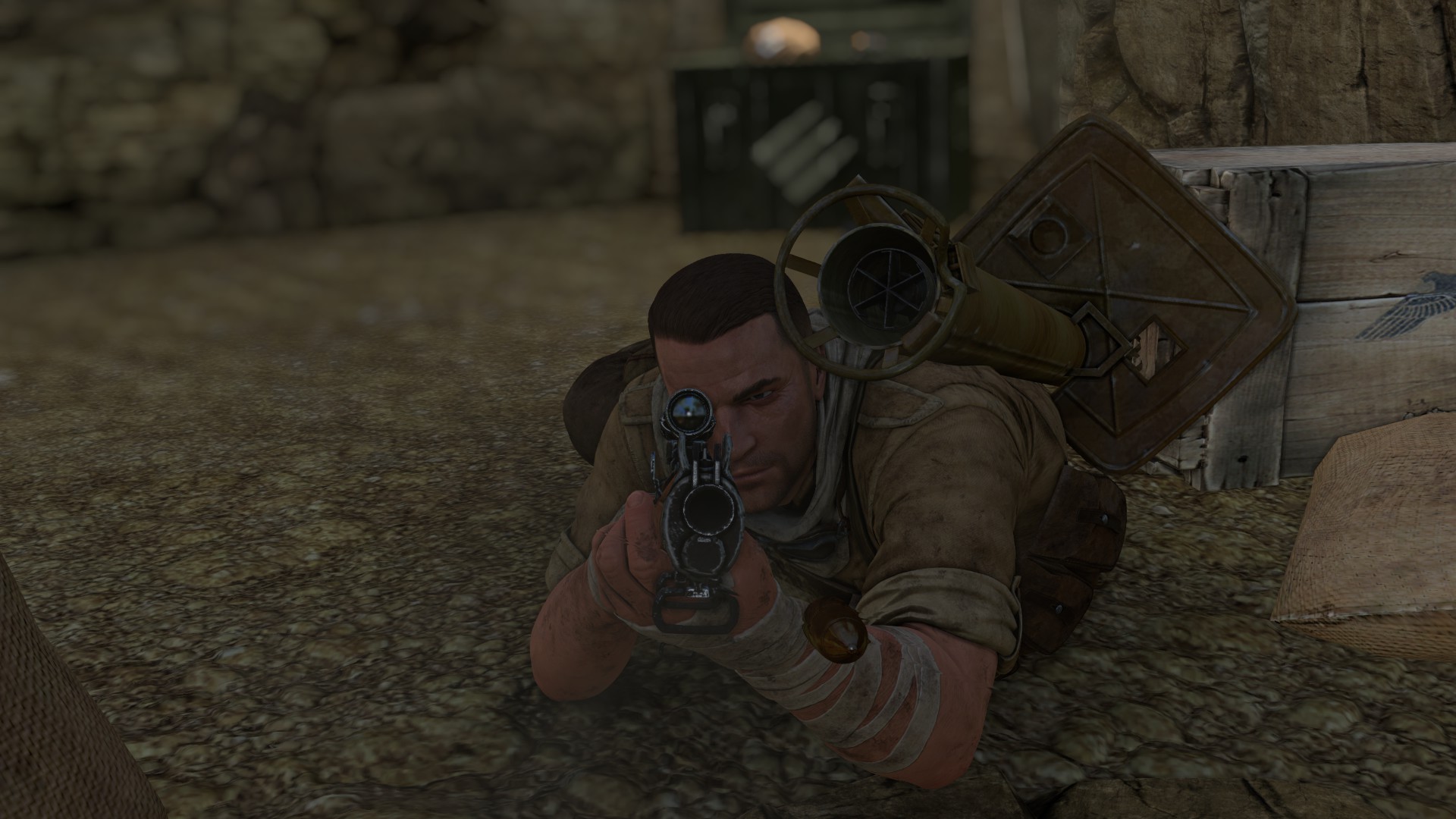
This was a Steam sale impulse buy, prompted by a realization that the most fun that I have in shooters is when I snipe the enemy with impunity from far, far away. I’d never played any game in this series before but a game with large levels, lots of long distance sniping and realistic ballistics sounds good to me. That it’s set during World War Two is a plus for me, with so new shooters going the high tech route.