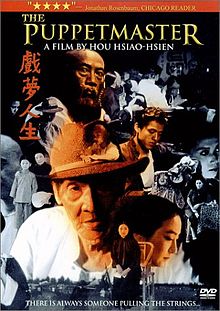
Hou Hsiao-Hsien is one of the three great directors of Taiwanese cinema and The Puppetmaster is the first film of his to be featured in this blog. It is however generally considered the second part of a loose trilogy of films about the history of Taiwan. The first one was A City of Sadness, starring Tony Leung Chiu-Wai. We’d watched it not too long ago and liked it, but that was before I’d started writing a lot about movies on this blog.
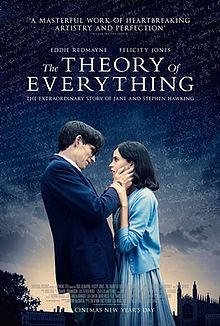
After our poor experience with The Imitation Game, it’s easy to be apprehensive about The Theory of Everything. Not only are both films biopics of famous scientists that were released in 2014, both were nominated for the Academy Awards in a bunch of categories, out of which they each ended up winning one. In the case of The Imitation Game, it was for Best Adapted Screenplay. For this one, it was the Best Actor award going to Eddie Redmayne for his portrayal of Stephen Hawking.
As no doubt everyone reading this blog will know, the past month has seen an absolute bonanza of space-related science news. Lots of cool and exciting stuff there but we’ll start with the non-space stuff first.
Given my recent post on the Dog Emotion and Cognition course, this first bit is especially relevant. This BBC article covers a Japanese experiment which shows that dogs are able to observe strangers interacting with their owners and calibrate their own behavior accordingly. Specifically when offered food by a stranger, dogs will decline the offer if the stranger has previously been observed as acting in a “mean” manner to its owner.
I had a bit of a lull while waiting for the second part of an algorithms course to begin on Coursera and so while browsing the site, noticed this “study at your pace” format course. Since both my wife and myself are crazy about dogs, I thought that it might be a good course for the two of us to go through together and likely has insignificant homework. It’s run by Brian Hare of Duke University.
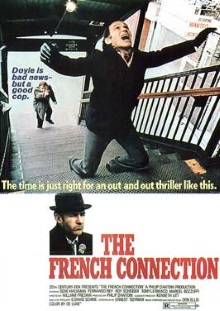
Since you’re reading this, yes, I’ve never actually watched The French Connection before this though I recall that this was one of the boring old films that often showed up on Malaysian television channels when I was growing up. Now I know that it’s a highly regarded crime thriller containing one of the best car chase scenes ever put on film, so watching it is a must.
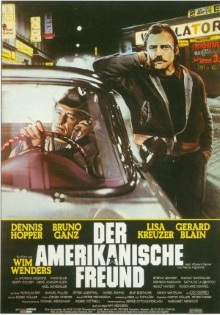
We’d watched The Talented Mr. Ripley, the one starring Matt Damon, a couple of years back and rather liked it but I didn’t realize that this German film by director Wim Wenders is actually about the very same fictional character until quite a ways into it. Obviously I’ve also never read any of the novels by Patricia Highsmith and this one covers a later period in Ripley’s life.
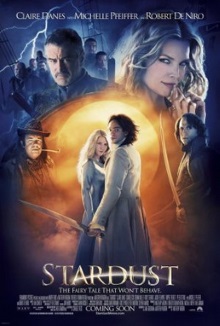
This one is obviously one of my picks, made on the basis of it being an adaptation of a Neil Gaiman novel, though it’s not one I’ve read. It also helps that this is one of the rare fantasy film that Broken Forum users seem to like. My expectations were low however as its Rotten Tomatoes rating is only mediocre and it seems to be largely forgotten now, with not even a cult following to its name.