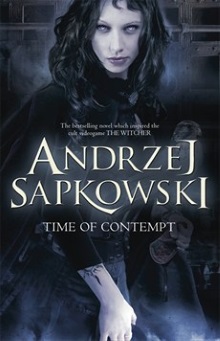
This would be the fourth of Andrzej Sapkowski’s Witcher books I’ve read so far and the second novel of the series. While I’ve liked all three of the previous books I’ve read, I have mixed feelings about this one. I complained about how it feels like nothing much seems to happen in Blood of Elves and it’s doubly true here. The book is decently long but covers only a very short span of time as it covers every scene in excruciating detail.
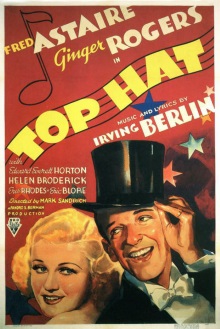
After working through many of Hollywood’s best known musicals, it’s time we move on to this classic that highlights the dancing ahead of the music. It’s also appropriate that we watch at least one film starring that great dancer of cinema Fred Astaire and he certainly does not disappoint here.
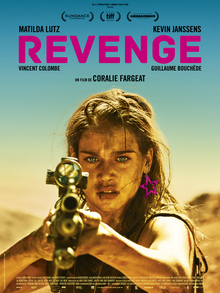
This topped critics’ lists of notable films last year and I did a bit of a double-take when I realized that it’s an entry in the exploitative rape and revenge genre. Still this was made by a woman French director Coralie Fargeat and I knew it wouldn’t have been so lauded had it been merely puerile so here we are.
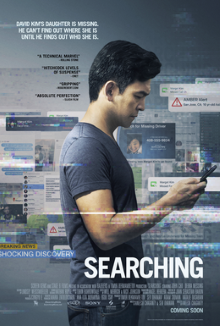
So Searching turns to be just the perfect little American independent film. It’s the feature film debut of its director Aneesh Chaganty, it was made with a super low budget and it makes use of a clever new gimmick to tell its story. John Cho is of course a pretty recognizable Hollywood star these days but this is apparently still the first time an Asian American actor headlines a Hollywood thriller.
One thing I disliked about my city building scene the last time around was that after spending so much time on the building itself, I was too lazy to make the plant models myself that I used to decorate the balcony with. So I wanted to make a separate balcony scene and focus on making my own models of plants and flowers. This turned out to be a massive undertaking, much more than I had expected. I had to research plant species, find lots of reference photos, and limit myself to textures that were available to me.
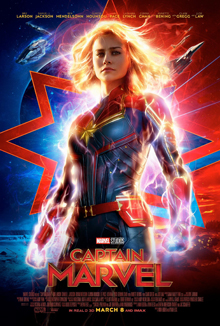
This is an MCU film so it was a must watch but I’m beginning to think that I’ll have to be pickier after Avengers: Endgame. As Marvel’s first solo movie featuring a female superhero lead, this was always going to be heavily anticipated and predictably elicited a toxic response from the anti-feminists. Unfortunately while the intentions here are laudable, this is a mediocre film at best, let down I think by the untested directing duo of Anna Boden and Ryan Fleck.
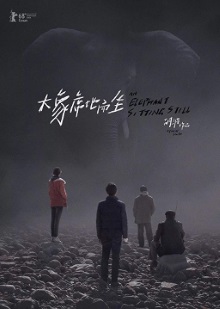
Clocking in at nearly four hours, this is one of the longest films we’ve watched. It’s also one of the darkest, an observation that is made especially poignant by the fact that its director Hu Bo committed suicide shortly after finishing it at the age of 29. The film itself is based on a novel by the director himself, apparently being what caused him to shoot to fame. This therefore represents the director’s first and final feature film.